Collection: Espalier Trees

Space-Saving Espalier Trees for Compact Gardens and Patios
Read More

Frequently asked questions

  • How long does it take to fully train an espalier tree?

    Establishing a full multi-tiered espalier from a young maiden whip typically takes four to five years of careful pruning. Buying a partially trained tree from a specialist nursery can save several years of work, although it is a more expensive option. Once established, the tree requires annual maintenance to keep its shape and productivity for decades.

  • Can I grow espalier trees in large containers?

    Yes, you can grow espalier trees in containers, provided the pot is at least 45 to 50 centimetres in diameter. It is essential to use a loam-based compost and ensure the tree is on a dwarfing rootstock to control its size. Regular watering and feeding are crucial, as container-grown trees cannot search for moisture in the ground.

  • Do espalier trees produce as much fruit as standard trees?

    While the total yield per tree is lower than a full-sized orchard tree, the quality of fruit is often superior due to better sun exposure. The flat structure allows sunlight to reach every piece of fruit, improving ripening and flavour significantly. For the limited space they occupy, they offer an exceptionally high yield and are easier to harvest.

  • What type of support structure does an espalier require?

    Espaliers require a sturdy system of horizontal wires or a trellis fixed to a wall or strong fence posts. The wires should be tensioned properly to support the weight of the branches and the developing fruit crop. Bamboo canes are often tied to these wires initially to help guide young shoots into the desired horizontal position.

  • How much space is required to plant espalier trees?

    You generally need a horizontal span of at least 3 to 4 metres per tree to allow for proper branch development. Vertically, tiers are usually spaced about 40 to 50 centimetres apart, depending on the rootstock vigour. Despite their width, they require very little depth, growing happily in borders just 60 centimetres wide.

  • When is the best time to prune espalier apple trees?

    The main summer pruning should take place in late July or August to restrict growth and encourage fruit bud formation. A secondary winter prune is performed when the tree is dormant to tidy up the structure and remove dead wood. Consistent timing helps maintain the flat shape and prevents the tree from becoming overly vigorous.

  • Which fruit trees are best suited for espalier training?

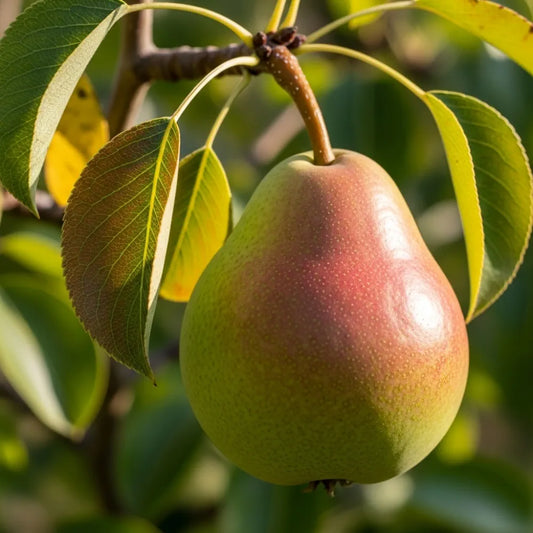
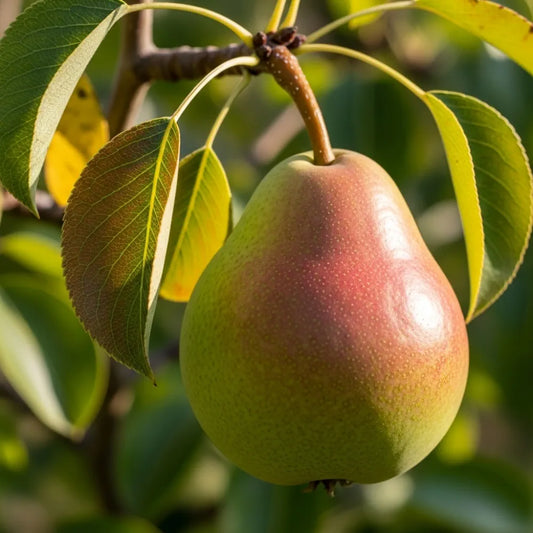
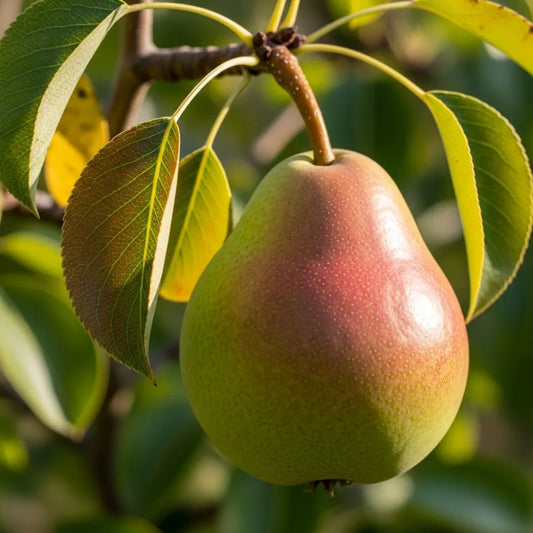
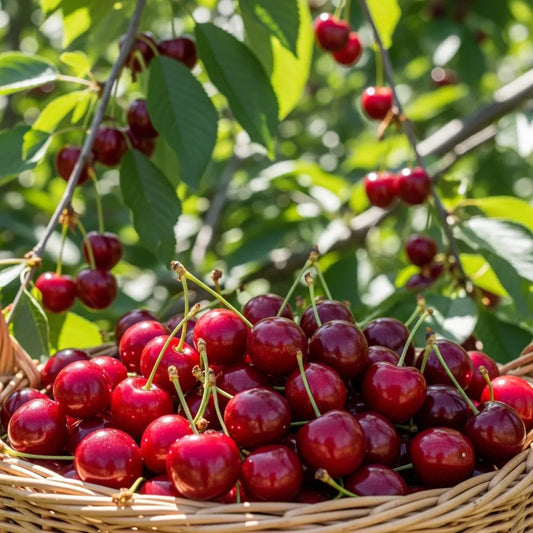
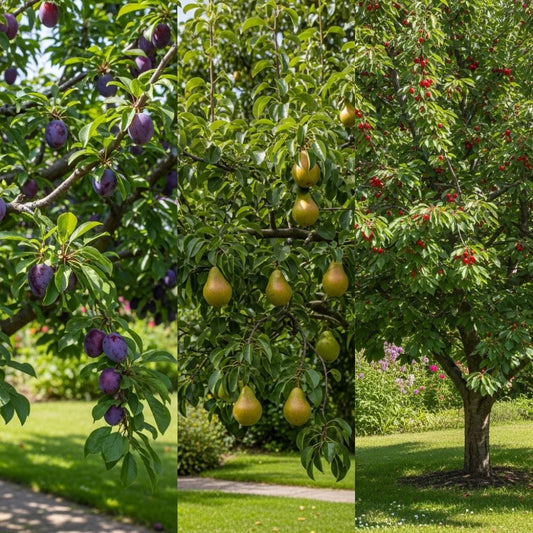
    Apples and pears are the most popular choices for espalier training as they bear fruit on long-lived spurs. Stone fruits like plums, cherries, and peaches can also be trained, though they often prefer fan shapes rather than horizontal tiers. Selecting spur-bearing varieties ensures better fruit production and easier maintenance over time.

  • What is an espalier tree?

    An espalier tree is a fruit tree trained to grow flat against a wall, fence, or framework using specific pruning techniques. This historical method conserves space while allowing the sun to ripen fruit more effectively. It is an ideal solution for smaller British gardens or courtyards where ground space is limited.