Collection: Climbing Plants

Transform Your Garden with Climbing Plants
Read More

Frequently asked questions

  • Which climbing plants are evergreen?

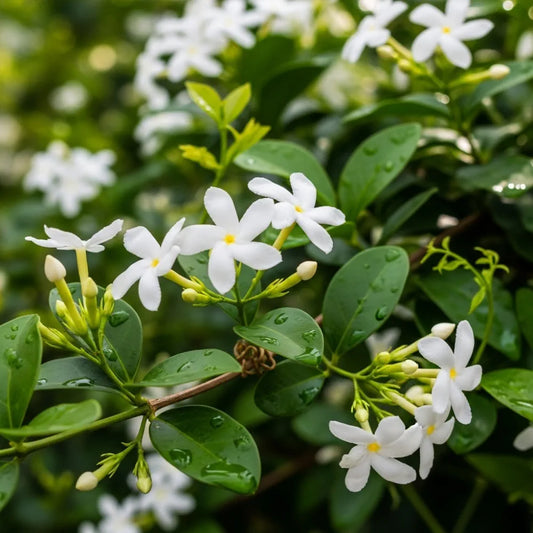
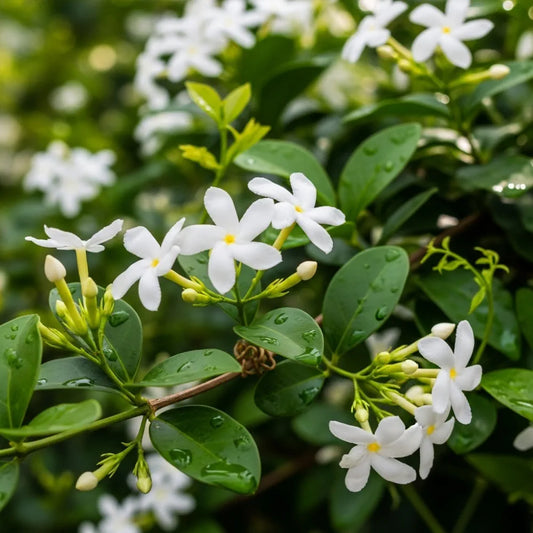
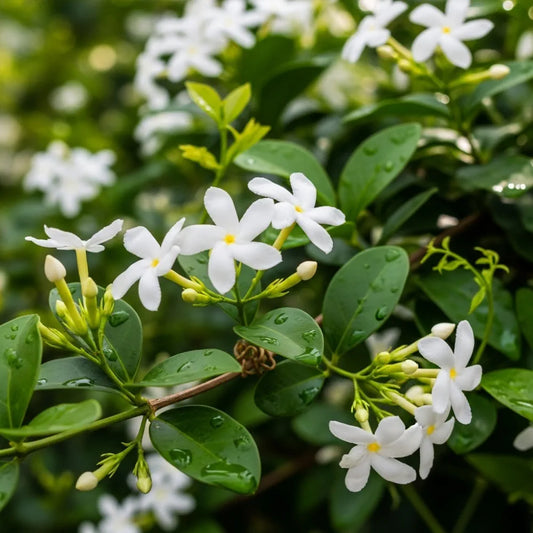
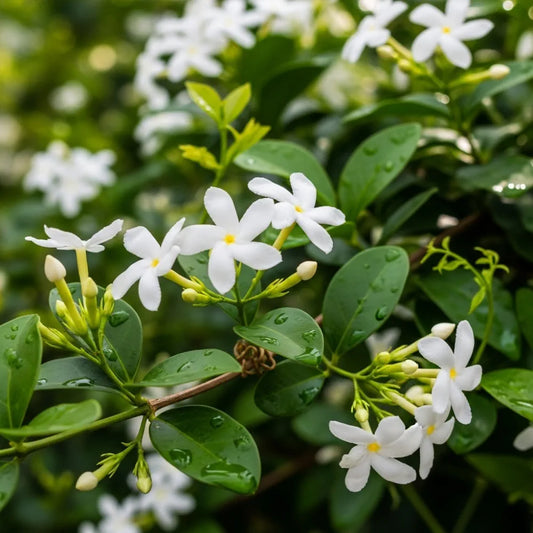
    Evergreen climbers like English Ivy and Clematis armandii retain their foliage throughout the winter, providing year-round screening. Star Jasmine is another popular evergreen option that offers fragrant white flowers during the summer months. These plants are useful for covering unsightly structures or maintaining privacy during the colder seasons.
  • Do climbing plants damage brick walls or mortar?

    Self-clinging climbers can sometimes damage old or crumbling mortar if the pointing is already in poor condition. On sound, modern masonry, they rarely cause structural issues, though they may leave marks if eventually removed. To minimise risk, use a trellis system that keeps the vegetation slightly separated from the wall surface.
  • When is the right time to prune climbing plants?

    The timing depends on flowering habits; generally, plants that flower in spring should be pruned immediately after flowering finishes. Summer and autumn flowering varieties are often pruned in late winter or early spring before active growth begins. Always use sharp secateurs to make clean cuts just above a strong bud.
  • What are the fastest-growing climbing plants for privacy?

    Russian Vine and Virginia Creeper are known for their rapid growth rates and ability to cover surfaces quickly for screening. Clematis montana is another vigorous grower that provides excellent coverage and seasonal flowers. Regular pruning is necessary to keep these energetic plants under control and prevent them from overwhelming the space.
  • Can I grow climbing plants in containers or pots?

    Yes, many climbers such as Clematis and Sweet Peas grow excellently in large pots or containers. You must ensure the pot has adequate drainage holes and is heavy enough to remain stable in strong winds. Use a high-quality loam-based compost and keep the plant well-watered, as containers dry out faster than the ground.
  • How do I support climbing plants on a fence or wall?

    Most climbers require a support structure such as a wooden trellis, wire mesh, or horizontal wires to attach themselves. While self-clinging varieties adhere directly to masonry, twining plants need you to tie in new shoots gently with soft garden twine. Ensure the support is securely fixed to the wall to withstand the weight of the mature plant.
  • Which climbing plants grow well in the shade?

    Several climbers thrive in shady spots, including Climbing Hydrangea and English Ivy. Star Jasmine can also tolerate partial shade, though it typically flowers best with some sun exposure. These plants are ideal for brightening up north-facing walls or darker corners of the garden.