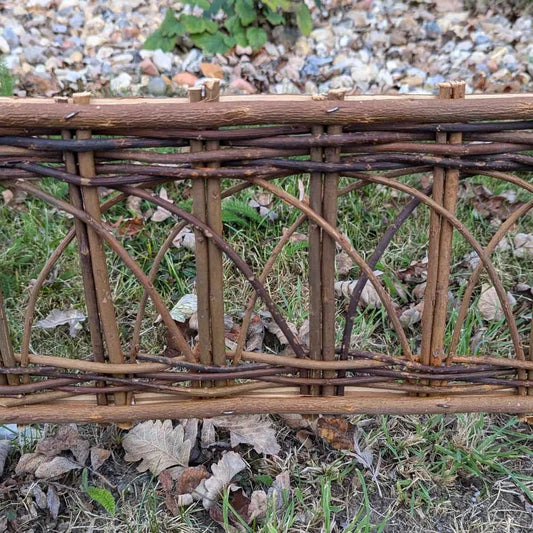
Collection: Wooden Lawn Edging

Wood Garden Edging and Borders
Read More

Frequently asked questions

  • What are the benefits of using woven hazel, willow, or chestnut edging?

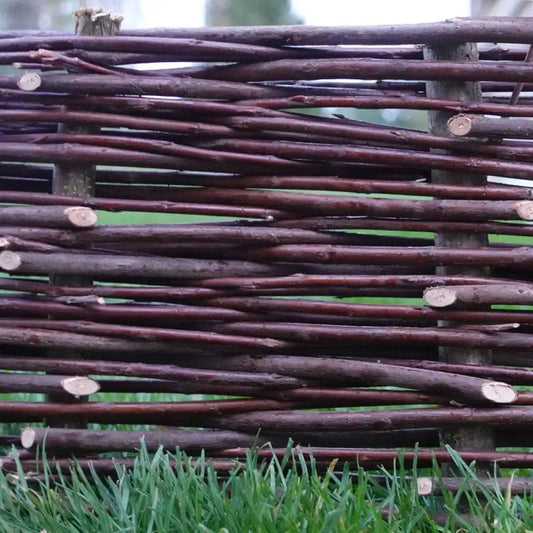
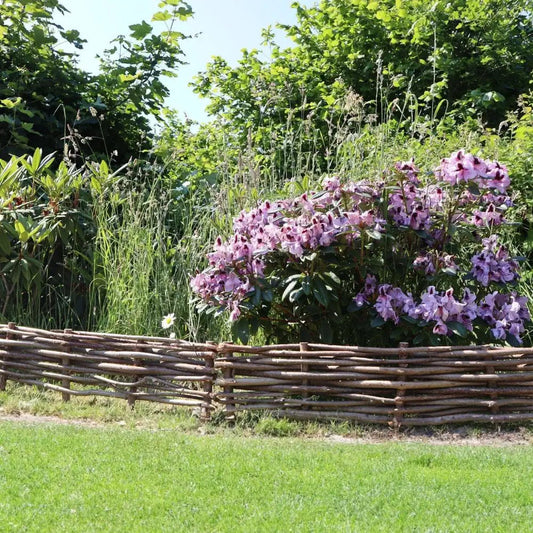
    Woven natural edging offers an organic, rustic look that harmonises with traditional or cottage garden designs. It is an environmentally friendly choice, often sourced sustainably and biodegradable. These flexible edgings can easily follow curves and contours in your garden layout.
  • How should I choose between steel and natural woven edging for my garden?

    Consider your garden's aesthetic and desired level of maintenance. Steel edging provides a modern, crisp line and is extremely durable with minimal upkeep. Natural woven edging offers a softer, rustic look and is eco-friendly, but may require eventual replacement due to natural decay.
  • What are the main distinctions between willow, hazel, and chestnut lawn edging?

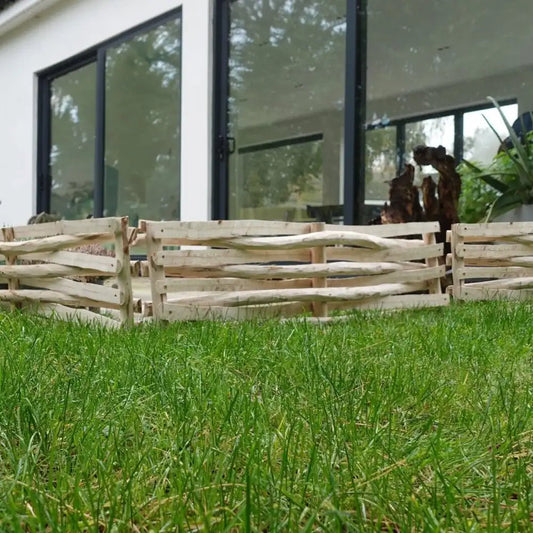
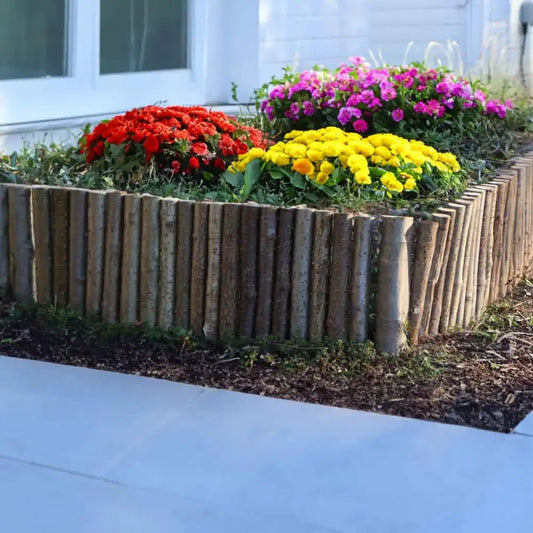
    Willow edging is typically pliable and woven into decorative, often low-height borders. Hazel offers sturdy, rustic hurdle-style panels suitable for more robust boundaries. Chestnut is renowned for its exceptional durability and natural resistance, often used for cleft picket or woven fencing.
  • Does wooden lawn edging require regular maintenance to prolong its life?

    While some woods are naturally resistant, regular maintenance can significantly extend the edging's lifespan. Applying wood preservers or stains periodically helps protect against rot, moisture, and UV damage. Keeping the area free of debris also contributes to its longevity.
  • What materials are typically used for natural woven garden edging?

    Natural woven edging commonly uses sustainable materials like hazel, willow, and chestnut. These are intertwined to create flexible, rustic borders. The choice of wood affects the colour and texture, offering distinct visual appeals for different garden styles.
  • Is installing wooden lawn edging a difficult task for a home gardener?

    Installation is generally straightforward for most wooden edging types. It often involves creating a shallow trench or simply pushing individual stakes or panels directly into the ground. Ensuring the edging is level and securely anchored is key for stability.
  • Can wooden edging be used effectively to create curved garden beds and pathways?

    Yes, many types of wooden edging are suitable for curves, particularly woven willow which flexes easily. Thinner hazel edging can also be gently bent to follow more subtle curves. Thicker, more rigid chestnut edging is generally better suited for straight lines or very broad, sweeping curves.
  • How is wooden lawn edging typically installed in a garden setting?

    It is generally simply pushed or hammered into the ground - all our wooden edging comes with stakes that allow the edging to stand firm in the soil.