Collection: Bay Trees

Versatile Bay Trees for Structural Beauty and Culinary Flavour
Read More

Frequently asked questions

  • Can bay trees stay outside in winter in the UK?

    Bay trees are hardy down to -5°C, but they require protection during prolonged freezing spells or cold winds. Potted specimens are more vulnerable to frost damage than those planted directly in the ground. It is advisable to wrap the container in bubble wrap or move the tree to a sheltered porch or greenhouse in severe weather.
  • How often should I water a potted bay tree?

    Water your potted bay tree regularly during the summer to ensure the compost remains moist but never waterlogged. In winter, reduce watering significantly, allowing the top few centimetres of soil to dry out between waterings. Good drainage is essential, so ensure the pot has adequate holes at the base to prevent root rot.
  • When is the best time to prune a standard bay tree?

    The ideal time to prune a bay tree is during the summer months to maintain its shape and encourage dense foliage. Light trimming can be done in late spring, while heavier structural pruning is best reserved for when the plant is dormant. Use sharp, clean secateurs to make precise cuts just above a leaf node.
  • What is the best compost to use for potting bay trees?

    Bay trees thrive in a soil-based compost, such as John Innes No. 2 or No. 3, mixed with grit to improve drainage. This type of compost provides stability for the roots and retains nutrients effectively. Repotting should be done every two to three years in spring to refresh the nutrients.
  • Why are the leaves on my bay tree turning yellow?

    Yellowing leaves often indicate waterlogging or a nutrient deficiency, particularly a lack of nitrogen. Check that your pot drains efficiently and that the tree is not sitting in standing water. If drainage is adequate, feed the tree with a general-purpose liquid fertiliser during the spring and summer.
  • How do I treat curled leaves on my bay tree?

    Curled leaf edges are typically caused by the bay sucker, a common pest that feeds on the sap of young foliage. Remove damaged leaves by hand and check the undersides for small, pale insects. Encouraging natural predators like ladybirds can help control the population naturally.
  • Do bay trees prefer full sun or shade?

    Bay trees prefer a sheltered position in full sun or partial shade, protected from strong, drying winds. While they can tolerate some shade, ample sunlight promotes healthier growth and aromatic leaves. Avoid placing them in exposed north-facing spots where frost pockets may form.
  • Are bay tree leaves edible?

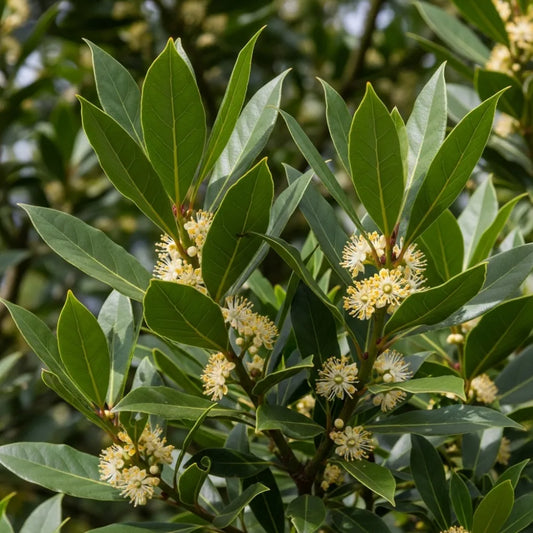
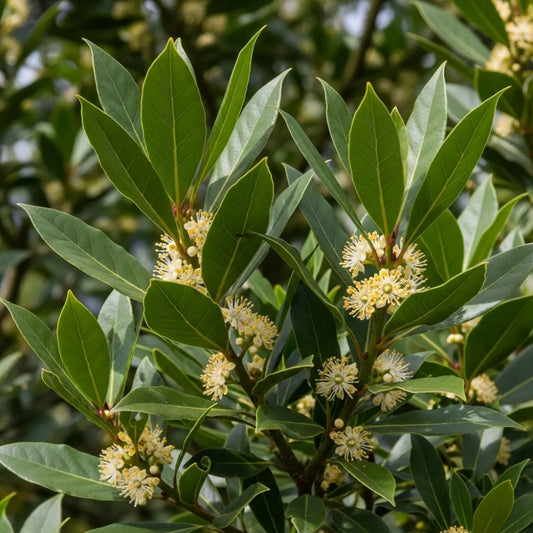
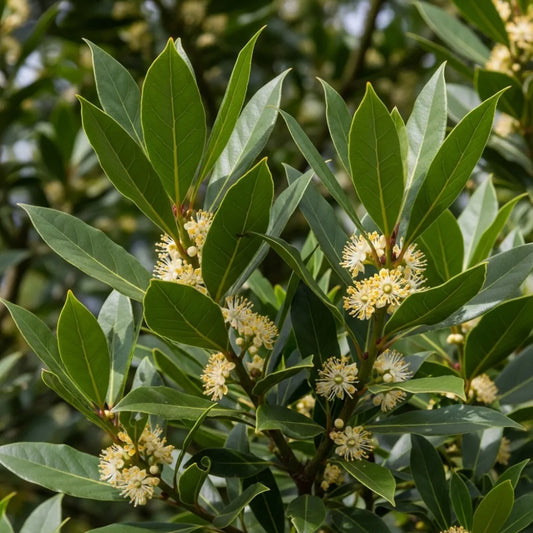
    Yes, leaves from the Sweet Bay (Laurus nobilis) are edible and widely used to flavour soups, stews, and sauces. Ensure you have correctly identified the plant, as similar-looking shrubs like Cherry Laurel are toxic. Fresh leaves are more potent than dried ones, so you may need to adjust quantities in recipes.
  • What types of planters are suitable for bay trees?

    Bay trees thrive in various planters, including traditional terracotta, modern zinc, and rustic wooden barrels or cubes. The key is to choose a planter large enough to accommodate root growth and provide stability. Ensure the material offers good drainage and insulation.