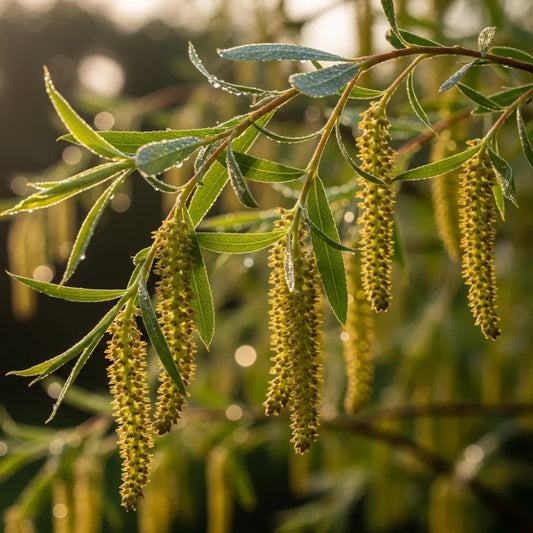
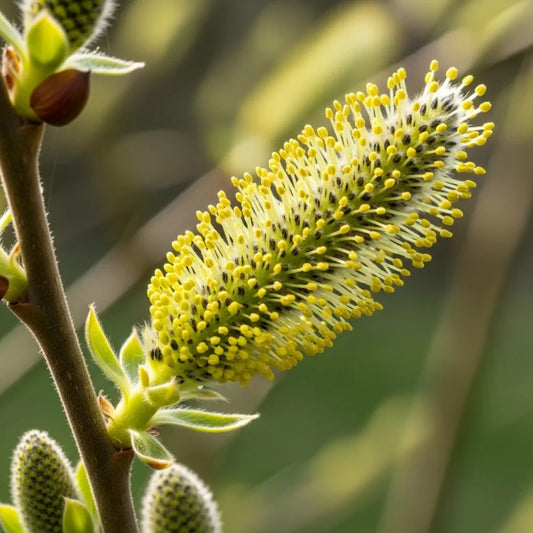
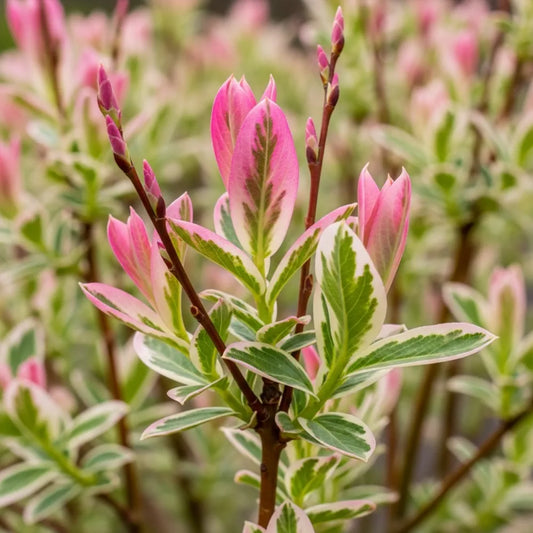
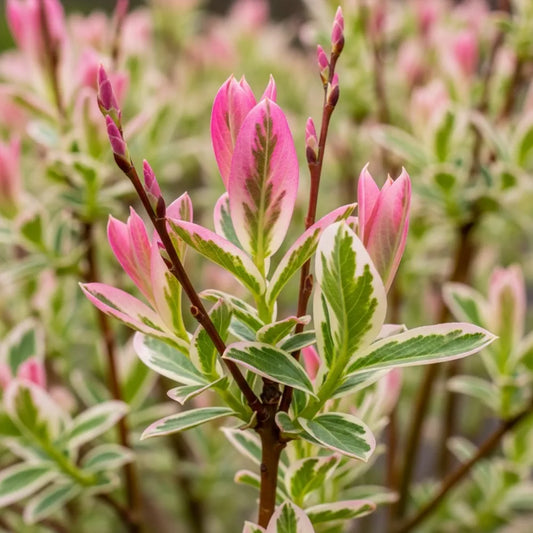
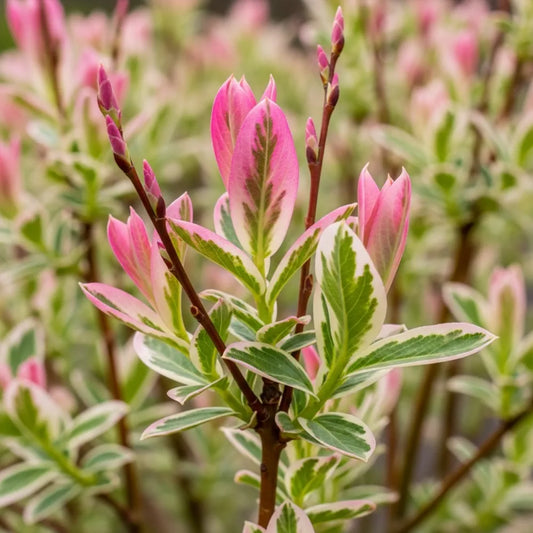
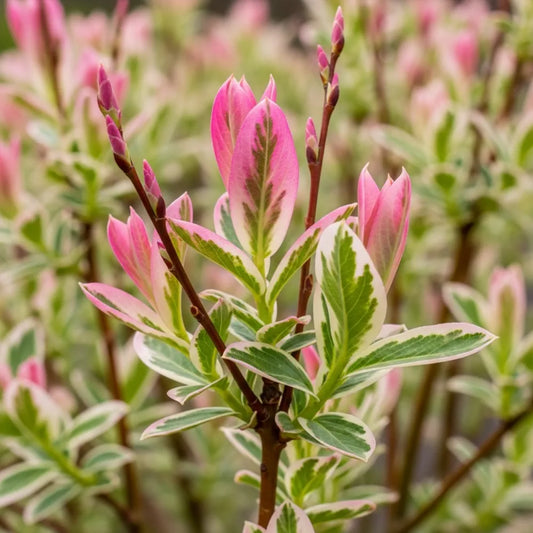
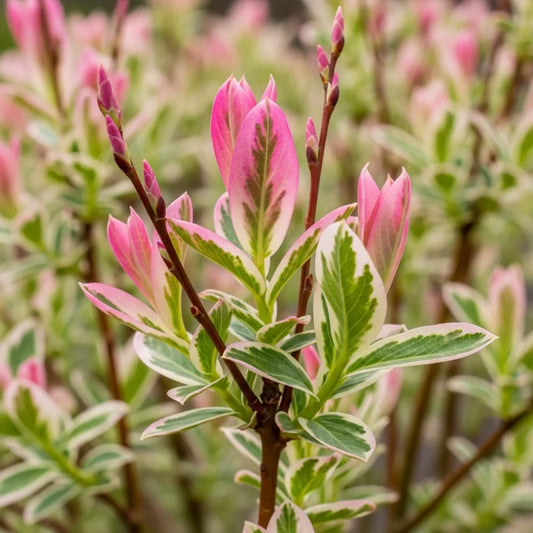
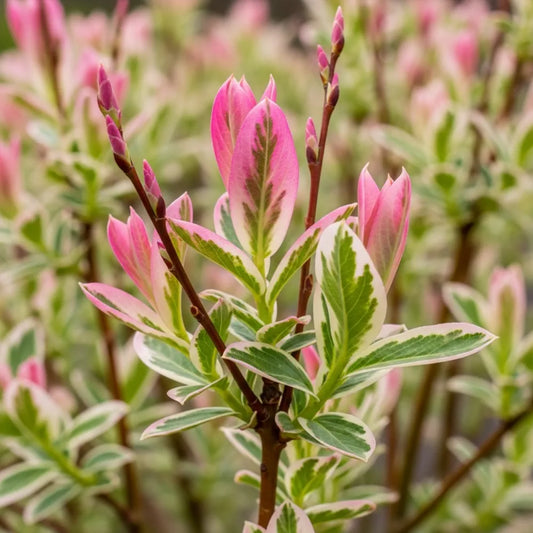
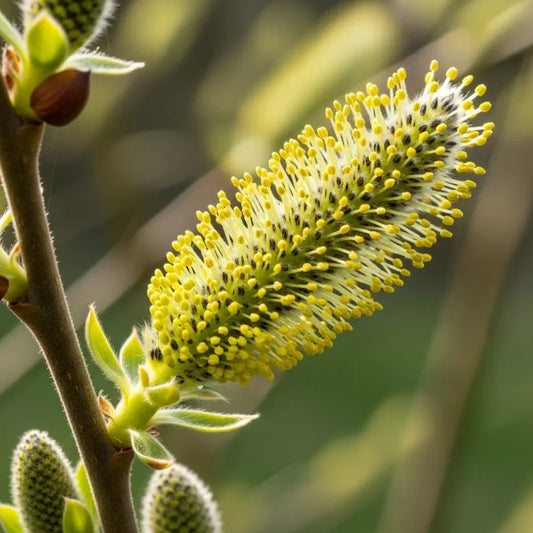
Discover the timeless elegance of Willow trees, a family of plants celebrated for their graceful movement, striking catkins, and vibrant winter bark. Whether you are looking for the dramatic sweep of a Weeping Willow to frame a large lawn or a compact dwarf variety to add architectural interest to a small garden, our collection features robust, high-quality specimens suitable for every landscape. Known for their hardiness and rapid growth, these trees (Salix) thrive in moisture-retentive soil and bring a distinct sense of tranquillity to outdoor spaces.
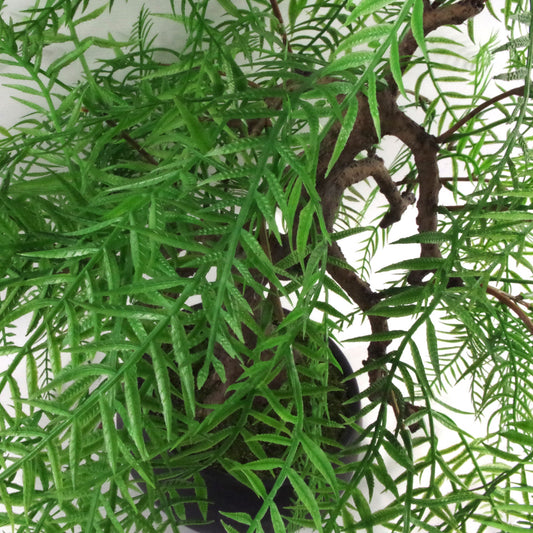
While traditionally associated with riverbanks and expansive grounds, many willow varieties adapt exceptionally well to container growing, making them a fantastic option for bringing greenery to a courtyard or terrace. To ensure your tree thrives on the patio while complementing your garden design, choosing the right container is key. For a sleek, contemporary aesthetic, Our zinc square planters, available in matte black, matte grey, white, matte copper, or gloss black, offer a sophisticated edge. If you prefer a more traditional or cottage-style look, our 65cm to 90cm diameter rustic whisky barrels, featuring faded silver, rustic, or painted black rings, provide deep root space and character. We also offer up to 60cm wood square planters in natural wood, black, or grey for a classic finish that pairs beautifully with the textured foliage of a potted willow. Explore the range below to find the perfect addition to your garden.
 Go to basket