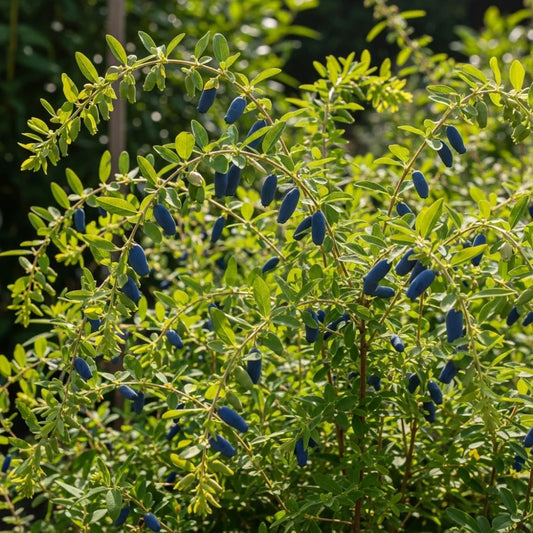
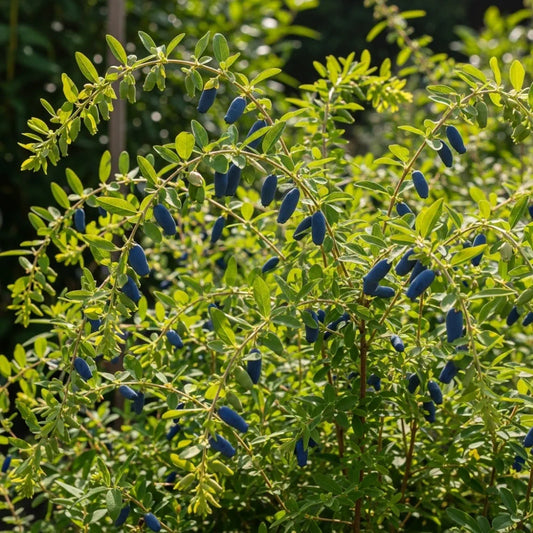
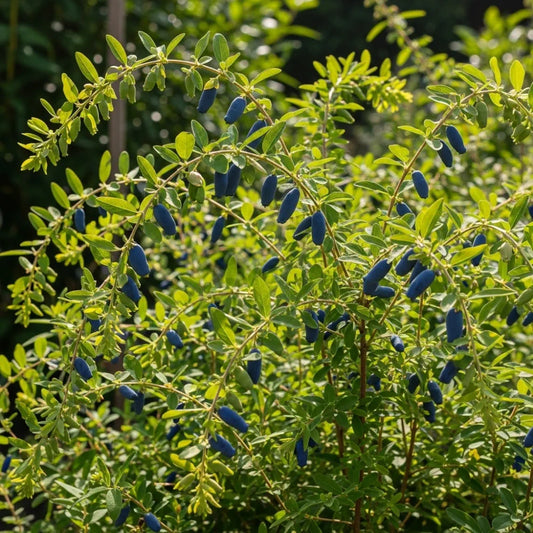
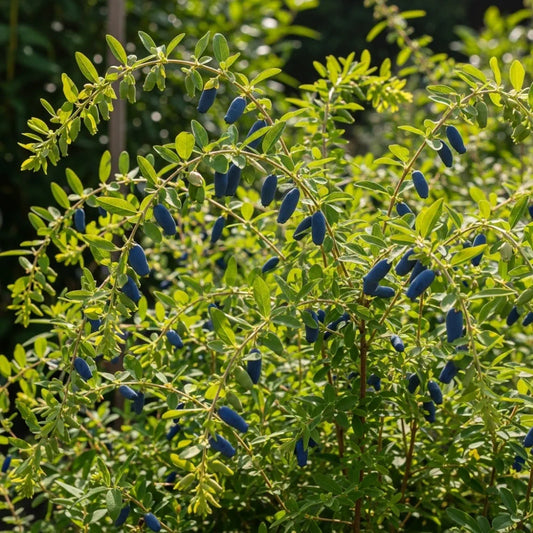
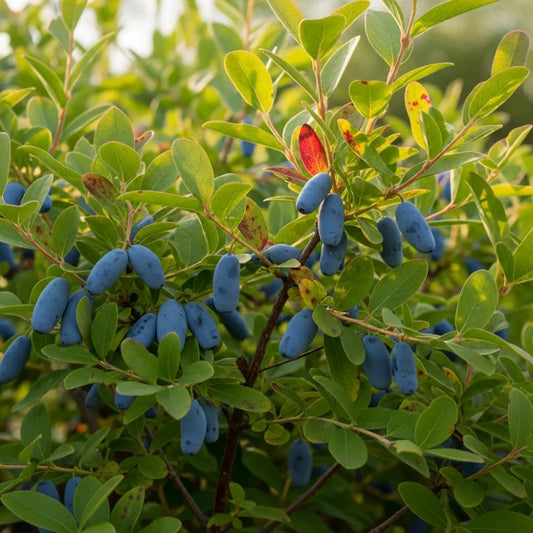
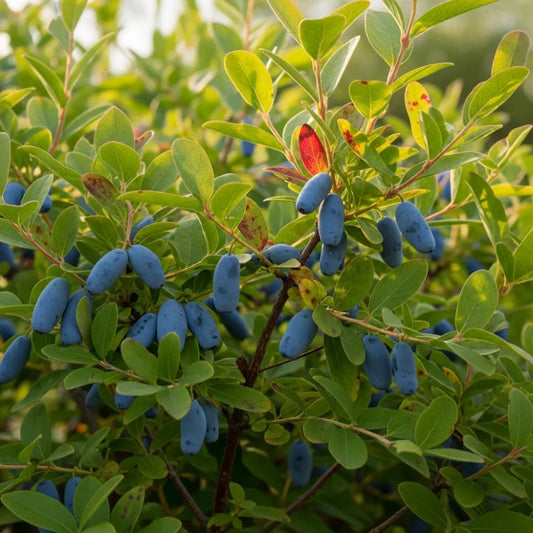
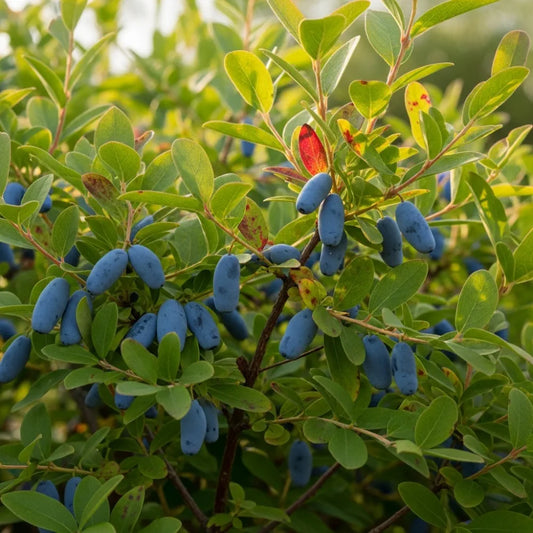
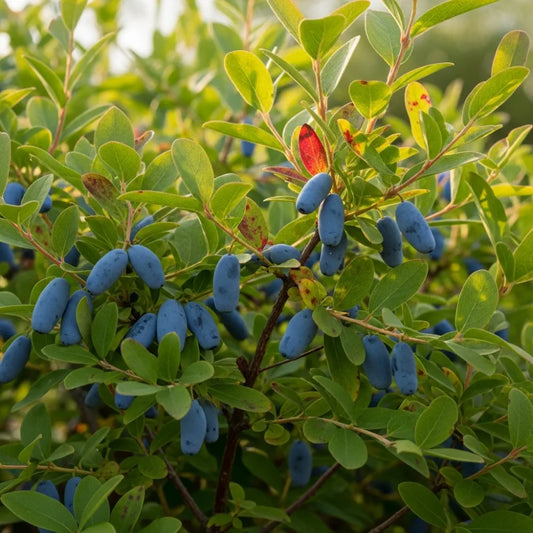
Discover the delight of growing Honeyberry bushes, the hardy super-fruit sensation that is taking British gardens by storm. Also known as the blue honeysuckle or edible honeysuckle (*Lonicera caerulea*), these robust shrubs are prized for producing the season's very first harvest, offering succulent blue berries often weeks before strawberries ripen. With a flavour profile reminiscent of a zingy blueberry but with a unique honeyed aftertaste, they are packed with antioxidants and require far less fuss than traditional fruit bushes.
Unlike blueberries, Honeyberries do not require acidic soil and are extremely cold-hardy, making them an ideal choice for the unpredictable UK climate. They flourish in sunny or partially shaded spots and are notably low-maintenance, requiring just a companion partner for cross-pollination to ensure a bumper crop.
These versatile bushes are equally at home in a garden border or grown as a striking patio feature for those with limited ground space. For a sleek, contemporary look, these plants thrive in Our zinc square planters, available in stylish finishes such as matte black, matte grey, white, matte copper, or gloss black. If you prefer a more traditional aesthetic, our up to 60cm wood square planters in natural wood, black, or grey offer a classic touch. For larger specimens requiring ample root space, our authentic 65cm to 90cm diameter rustic whisky barrels, featuring faded silver, rustic, or painted black rings, make for an exceptional container growing option. Browse our collection today to add this early-fruiting gem to your edible garden.
 Go to basket