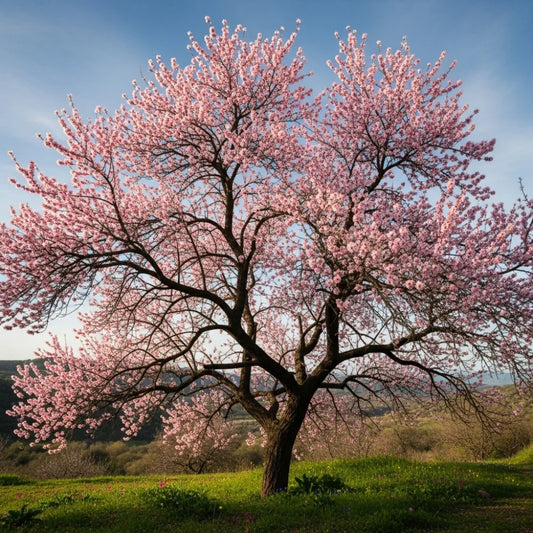
Collection: Almond Trees

Hardy Almond Trees for British Gardens
Read More

Frequently asked questions

  • Can almond trees be grown successfully in the UK?

    Yes, almond trees can grow in the UK, especially in southern regions or sheltered spots. It is advisable to choose late-flowering varieties to avoid damage from spring frosts. Planting against a south-facing wall provides the necessary warmth for the nuts to ripen.

  • Do I need two almond trees to produce nuts?

    Many almond varieties available for home gardens are self-fertile, meaning a single tree can produce a crop. However, cross-pollination with a second tree often leads to a heavier yield. Always check the specific variety description to see if a pollination partner is required.

  • When is the best time of year to plant an almond tree?

    The ideal time to plant bare-rootalmond trees is during the dormant season, between late autumn and early spring. Container-grown trees can be planted at any time, provided the ground is not frozen or waterlogged. Ensure the soil is well-prepared with organic matter prior to planting.

  • What type of soil conditions do almond trees require?

    Almond trees prefer deep, well-draining soil that is neutral to slightly alkaline. They struggle in heavy clay or waterlogged soils, which can cause the roots to rot. If your garden has heavy soil, improve drainage by incorporating grit or planting on a slight mound.

  • Why are the leaves on my almond tree curling and turning red?

    This is likely peach leaf curl, a fungal disease that affects almonds and causes leaves to distort and discolour. It is spread by rain splashing on developing buds in early spring. Protecting the tree with a rain shelter from January to May can effectively prevent infection.

  • How often should I water my almond tree?

    Young trees need regular watering during their first year to establish a strong root system. Once established, they are reasonably drought-tolerant but benefit from watering during dry spells in summer to ensure good nut development. Applying mulch around the base helps the soil retain moisture.

  • When and how should almond trees be pruned?

    Pruning should be carried out in late summer or early autumn to reduce the risk of silver leaf disease. The goal is to remove dead or crossing branches and create an open centre for better light penetration. Avoid pruning in winter when the tree is dormant and more vulnerable to fungal spores.

  • How do I know when the almonds are ready to harvest?

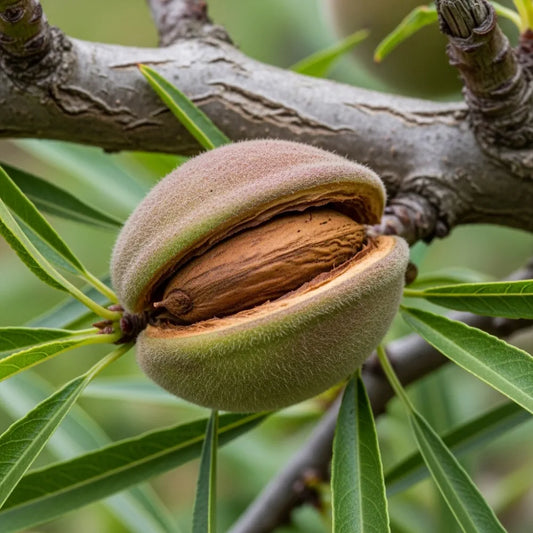
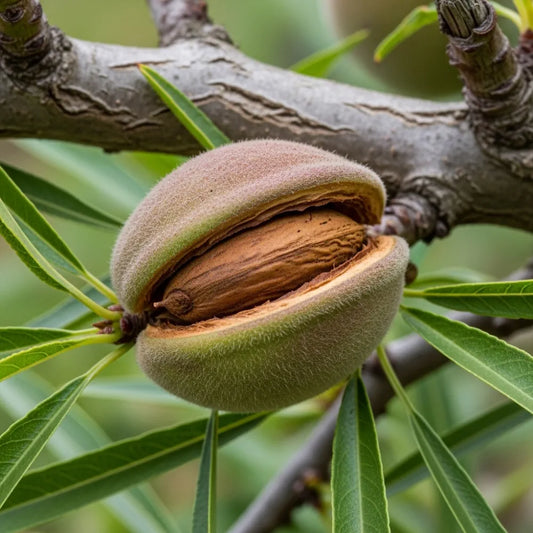
    Almonds are typically ready for harvest in late summer or early autumn when the outer hulls split open. You can test readiness by gently shaking the branches to see if the nuts fall easily. After harvesting, remove the hulls and allow the nuts to dry in a warm, airy location before storing.