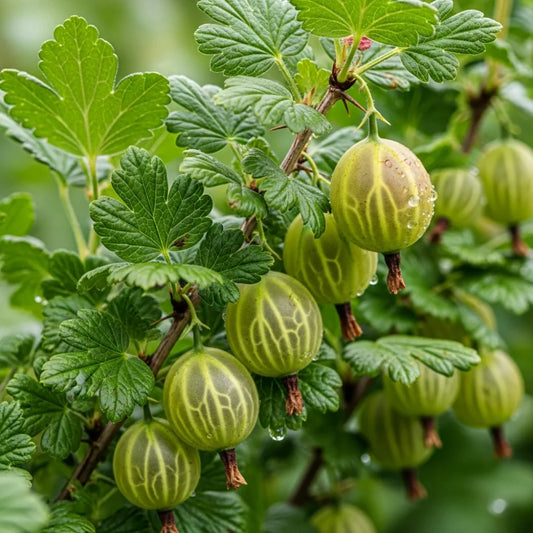
Collection: Gooseberry Bushes

Premium Gooseberry Bushes for Gardens and Patios
Read More

Frequently asked questions

  • When are gooseberries ready to harvest in the UK?

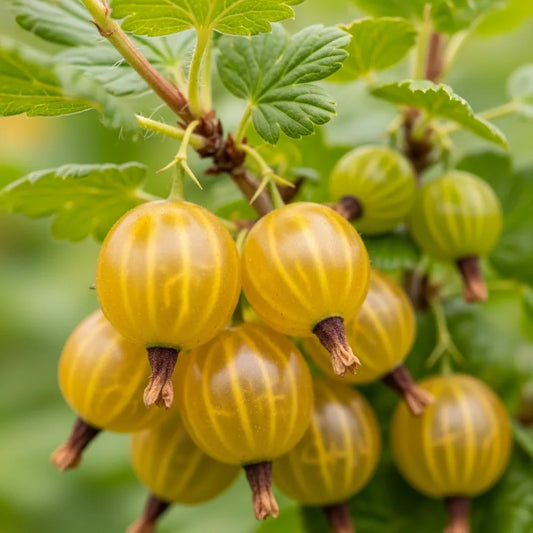
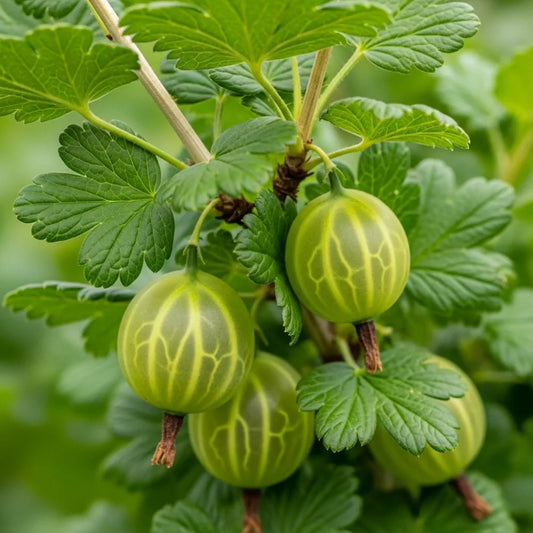
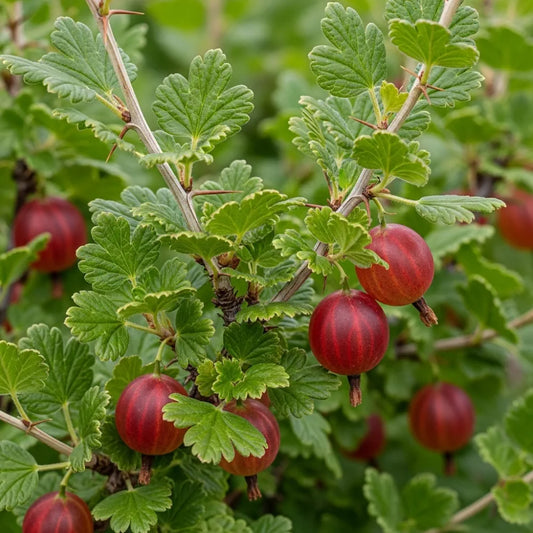
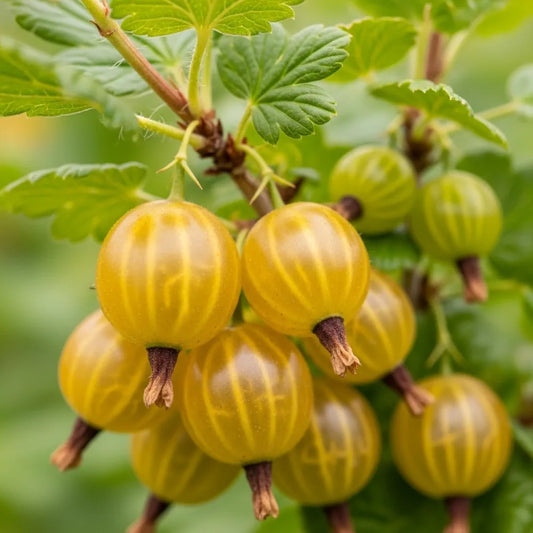
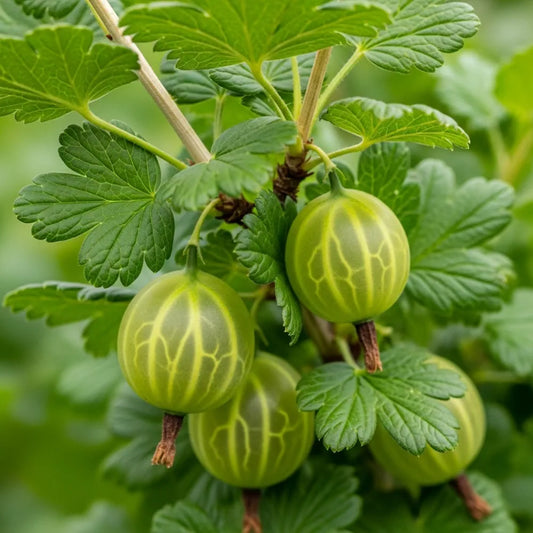
    You can harvest under-ripe green berries for cooking purposes starting in late May or early June. The main crop for eating fresh is typically ready in July when the fruit becomes soft and fully coloured. The exact timing depends on the specific variety and the local weather conditions.

  • Are gooseberry bushes self-fertile?

    Most gooseberry varieties are self-fertile, meaning a single bush will produce a crop without needing a second plant for pollination. However, pollination relies on insects, so planting in a sheltered area that attracts bees is beneficial. You do not need to buy multiple varieties unless you want to extend your harvest season.

  • Can I grow gooseberries in containers?

    Gooseberries thrive in containers, making them an excellent choice for patios or smaller gardens. Use a pot that is at least 30 to 40 centimetres wide and fill it with a soil-based compost to provide stability and nutrients. Container plants rely on you for moisture, so ensure they do not dry out during warm weather.

  • Why are the leaves on my gooseberry bush disappearing?

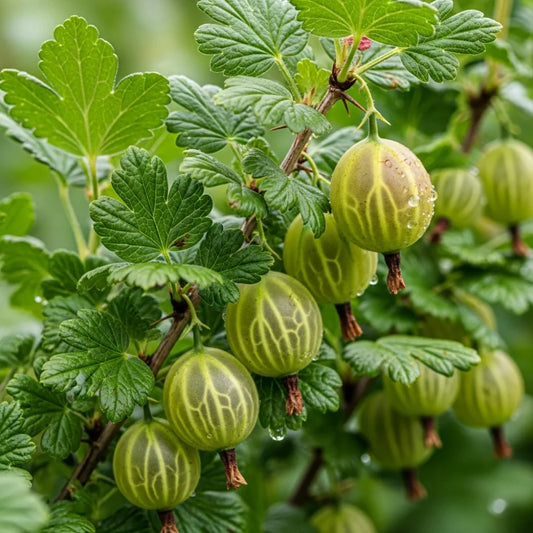
    Rapid leaf loss is often caused by the larvae of the gooseberry sawfly, which can strip a bush in a matter of days. Check the undersides of leaves regularly from mid-spring for small caterpillars and remove them by hand. Encouraging natural predators like birds can also help manage the population effectively.

  • When should I prune my gooseberry bush?

    Winter pruning is carried out when the plant is dormant, usually between November and March, to form a goblet shape with an open centre. You can also perform a summer prune in June or July by shortening new side shoots to encourage fruit buds. Regular pruning keeps the bush healthy and makes harvesting easier.

  • How often should I water my gooseberry plant?

    Newly planted bushes require regular watering during their first spring and summer to establish a strong root system. Once established, you should water them during dry periods, especially whilst the fruit is swelling. Mulching around the base with organic matter helps the soil retain moisture and suppresses weeds.

  • Do gooseberry bushes need full sun or shade?

    Gooseberries generally prefer a sunny, sheltered position to produce the sweetest fruit and high yields. However, they are tolerant of partial shade, which can help prevent leaf scorch during particularly hot summers. Ensure the chosen spot has good air circulation to reduce the risk of fungal diseases like mildew.

  • When is the best time to plant gooseberry bushes?

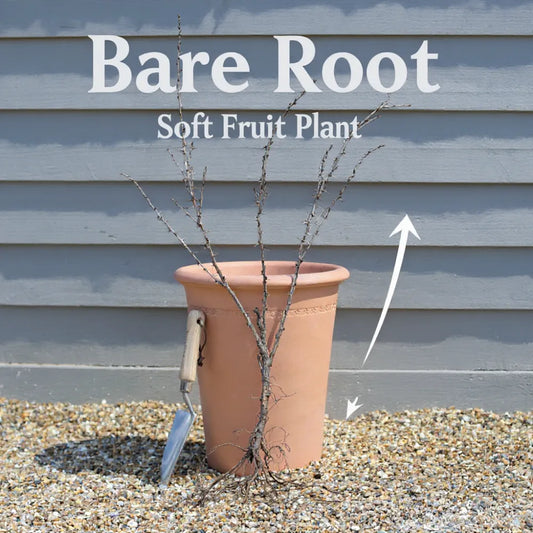
    The ideal time to plant bare-root gooseberry bushes is during the dormant season, typically between late autumn and early spring. Avoid planting when the ground is frozen or waterlogged to prevent root damage. Pot-grown plants can be planted at any time of year, provided they are watered well during dry spells.