Collection: Blackcurrant Bushes

Growing Delicious Blackcurrants in Gardens and Containers
Read More

Frequently asked questions

  • What is the best way to feed blackcurrant bushes?

    Apply a balanced granular fertiliser, such as blood, fish, and bone, around the base of the plant in late winter. A thick mulch of organic matter applied annually helps suppress weeds and slowly releases nutrients into the soil. Avoid excessive nitrogen feeds, as these can promote leafy growth at the expense of fruit production.

  • Can I grow blackcurrant bushes in pots or containers?

    Yes, compact varieties grow well in large containers that are at least 45 to 50 centimetres wide. Use a loam-based compost, such as John Innes No. 3, to provide sufficient stability and nutrients. Container plants dry out quickly, so they will require more frequent watering and feeding than those planted in the ground.

  • Do blackcurrant bushes need a lot of watering?

    These bushes require regular watering, particularly during dry spells and when the fruit is starting to swell. It is crucial to keep the soil consistently moist, but not waterlogged, to prevent the fruit from splitting or dropping early. Applying mulch around the base helps retain essential moisture during the summer.

  • When are blackcurrants typically ready to harvest?

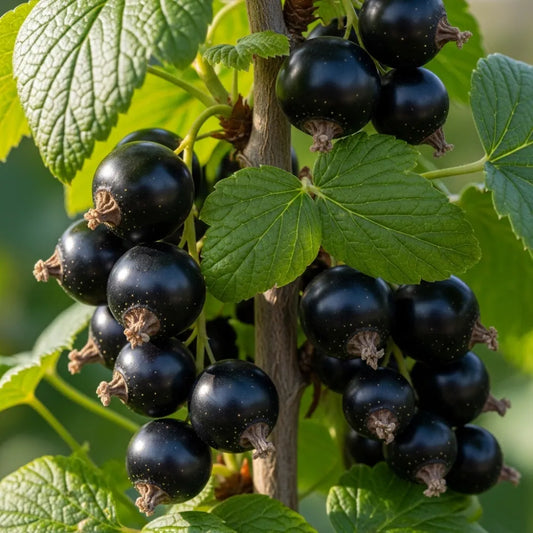
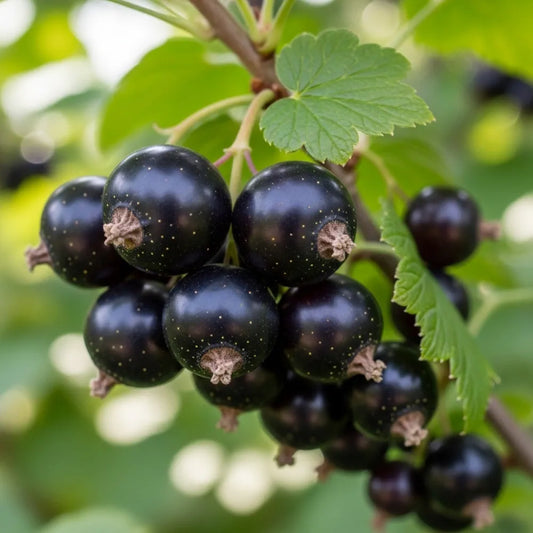
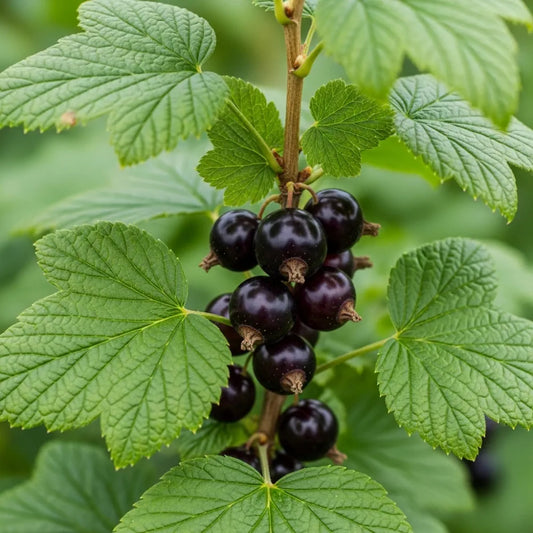
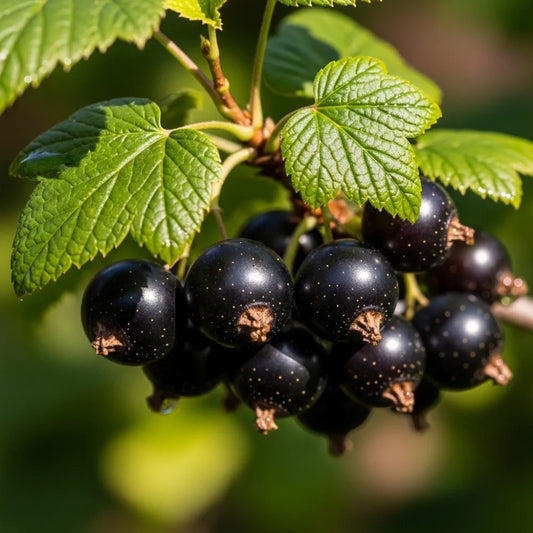
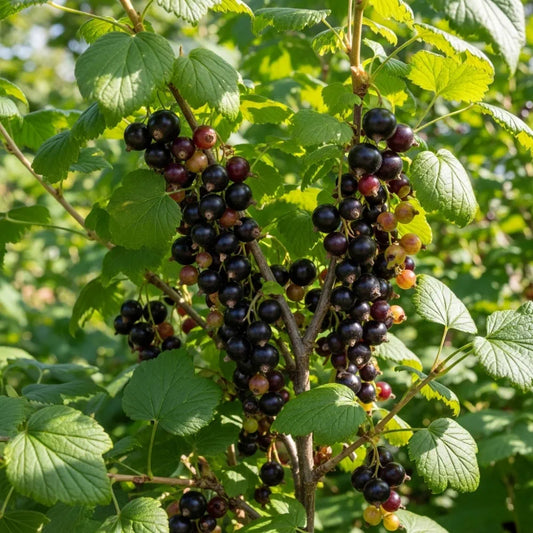
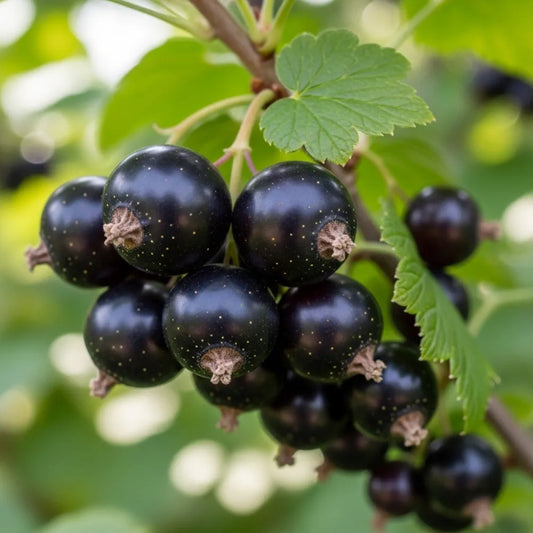
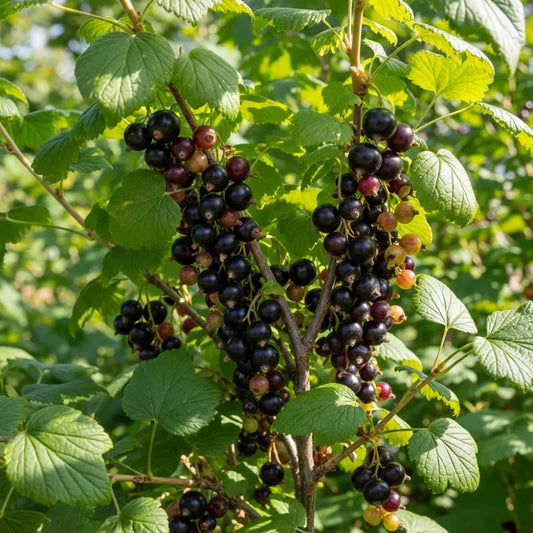
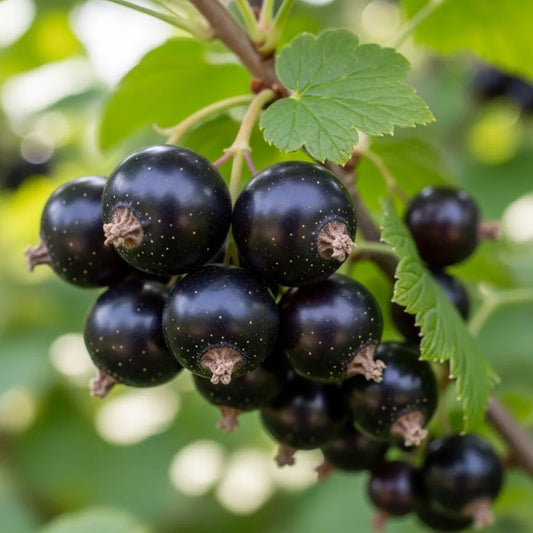
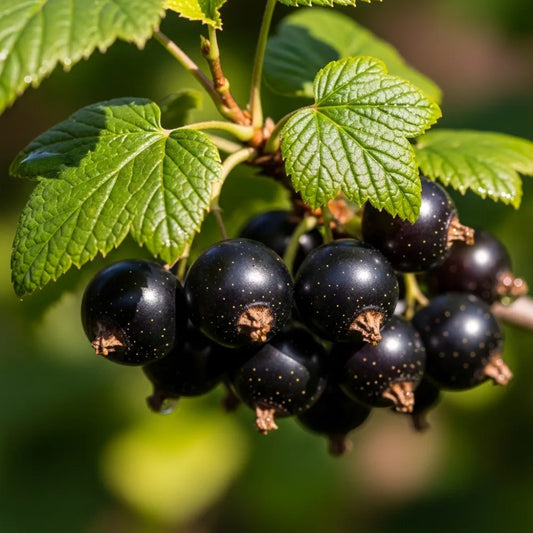
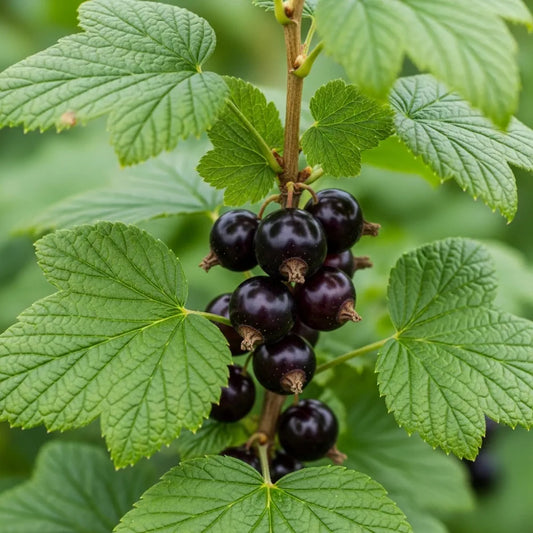
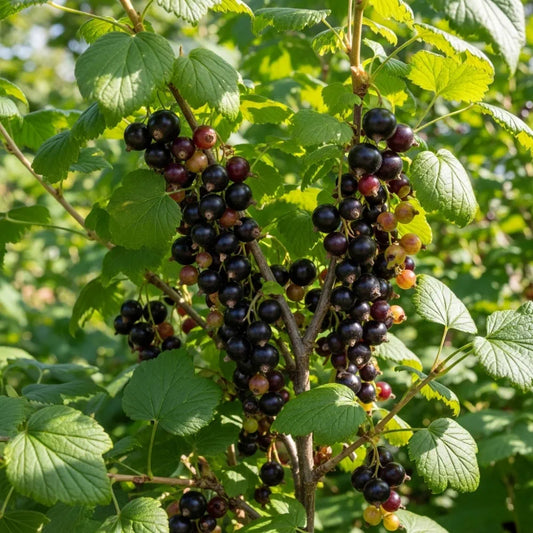
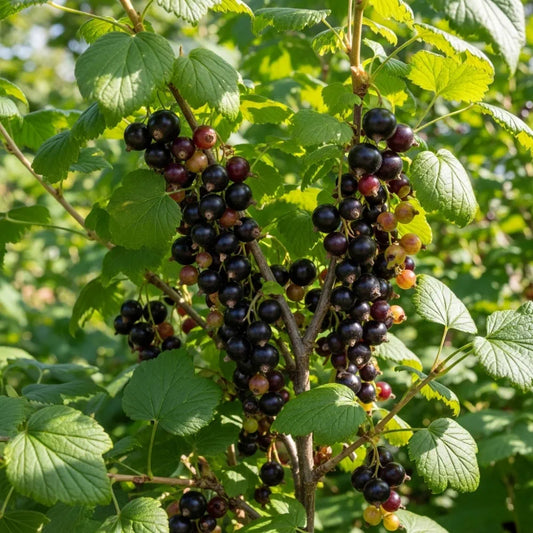
    In the UK, blackcurrants generally ripen between late June and August, depending on the specific variety. The berries are ready to pick when they have turned a deep purple-black colour and feel soft. You can harvest them individually or cut whole strings of fruit to avoid damaging the delicate skins.

  • When are blackberries ready to harvest in the UK?

    Harvest time depends on the variety, but most UK blackberries ripen between late July and October. The berries are ready when they turn a deep, shiny black and pull away easily from the plant without force. Pick them regularly to encourage further ripening and prevent fruit from spoiling on the cane.

  • When and where should I plant blackcurrant bushes?

    The ideal time to plant bare-root blackcurrant bushes is during the dormant season, between late autumn and early spring. Pot-grown plants can be planted at any time of year, provided the ground is not frozen or waterlogged. Ensure you choose a sunny, sheltered spot with well-drained soil for the best results.

  • How far apart should I space my blackcurrant plants?

    Space individual bushes approximately 1.5 metres apart to ensure adequate airflow and room for root systems to expand. If you are planting multiple rows, keep the rows about 1.5 to 1.8 metres apart. Proper spacing helps prevent fungal diseases and makes harvesting the fruit significantly easier.

  • How do I prune an established blackcurrant bush?

    Pruning is best performed in winter when the plant is dormant to encourage vigorous new growth. Remove any weak, diseased, or crossing branches, and cut back about one-third of the oldest stems to ground level. This technique stimulates the growth of young wood, which produces the highest quality fruit.

  • What type of soil conditions do blackcurrants prefer?

    Blackcurrants thrive in rich, moisture-retentive soil that drains well, preferring a slightly acidic to neutral pH. They grow best when well-rotted manure or garden compost is mixed into the soil before planting. Avoid sites with waterlogged ground, as this can damage the root system.