Collection: Birch Trees

Elegant Birch Trees for British Gardens
Read More

Frequently asked questions

  • How fast do birch trees grow in the UK?

    Birch trees are considered fast-growing species, often adding 40 to 60 centimetres of height per year. They establish quickly in various soil conditions, making them ideal for new gardens or screening. However, their rapid growth means they have a shorter lifespan compared to oak or beech trees.

  • How long do birch trees typically live?

    Most birch species are relatively short-lived compared to other hardwood trees, typically surviving for 60 to 90 years. Silver birches may start to decline after 60 years due to rot or fungal issues. In protected environments with ideal soil, some specimens can reach just over 100 years of age.

  • When is the best time to prune a birch tree?

    The ideal time to prune birch trees is in late summer or early autumn when the sap has stopped rising. Pruning in late winter or spring should be avoided because birch trees bleed sap heavily, which can weaken the tree. Minimal pruning is generally recommended to maintain the tree's natural shape and health.

  • Do birch trees have invasive root systems?

    Birch trees have shallow, widespread root systems rather than deep taproots, which can affect nearby paving or foundations if planted too close. These roots are efficient at absorbing moisture and nutrients, potentially competing with other plants in the immediate area. It is advisable to use planters for trees or plant at a safe distance from structures to prevent surface disruption.

  • What type of soil do birch trees prefer?

    Birch trees are hardy and adaptable, tolerating a wide range of soil types including acidic, sandy, and loamy soils. While Silver Birch thrives best in dry, well-drained conditions, Downy Birch is better suited to damp or boggy ground. They generally require full sunlight and do not grow well in heavy shade.

  • What is the difference between Silver Birch and Downy Birch?

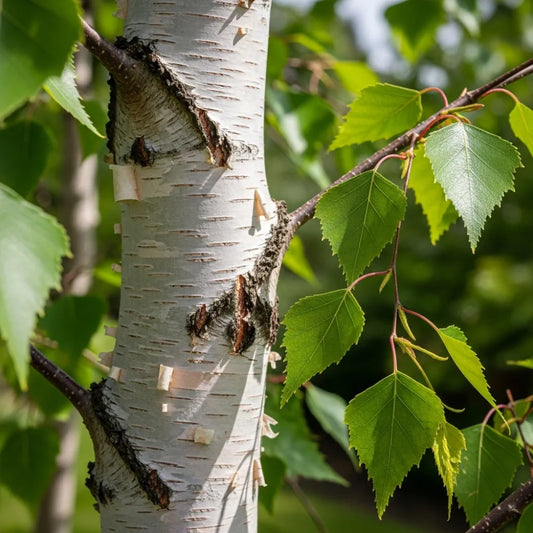
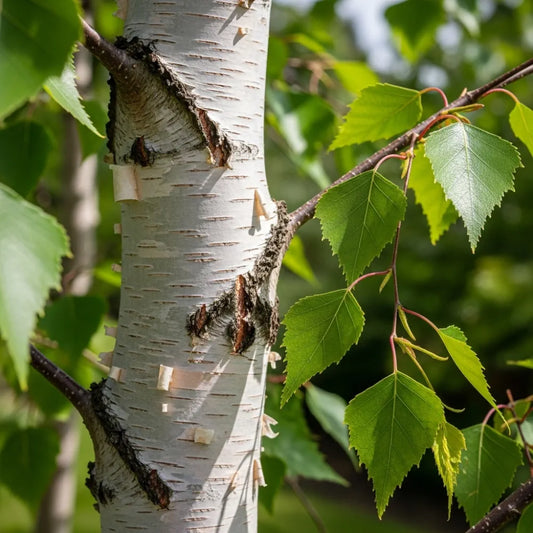
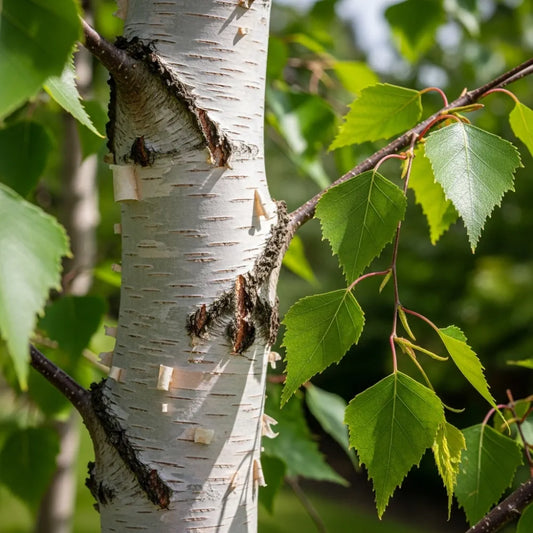
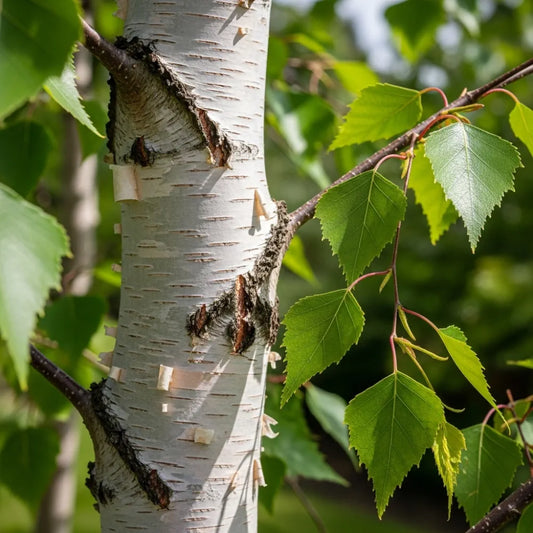
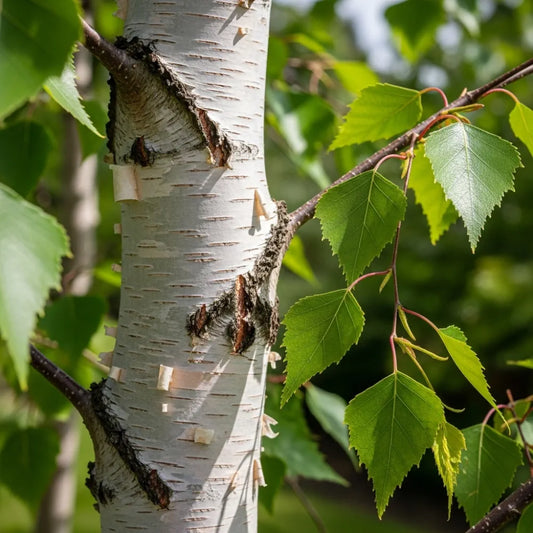
    The Silver Birch typically has drooping branches and triangular leaves, whereas the Downy Birch has more upright branches and rounded leaves. Downy Birch shoots are covered in fine hairs and feel soft, while Silver Birch shoots are hairless and rough with small warts. Additionally, Downy Birch prefers damper, wetter soils compared to the drier preference of Silver Birch.

  • Why does the bark peel off birch trees?

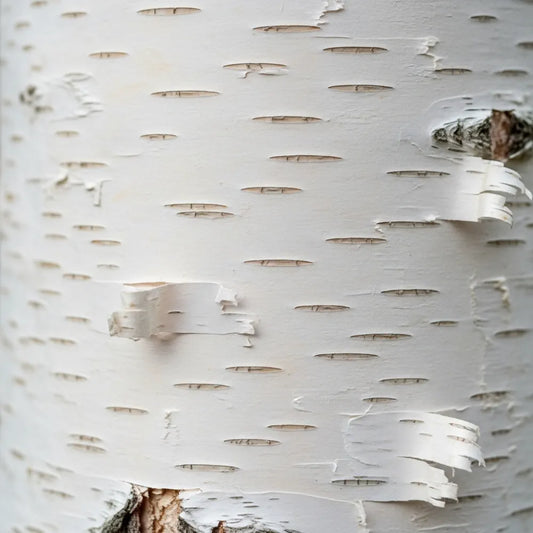
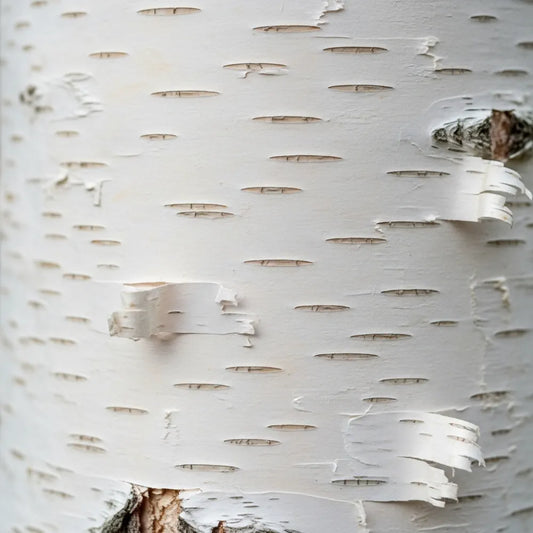
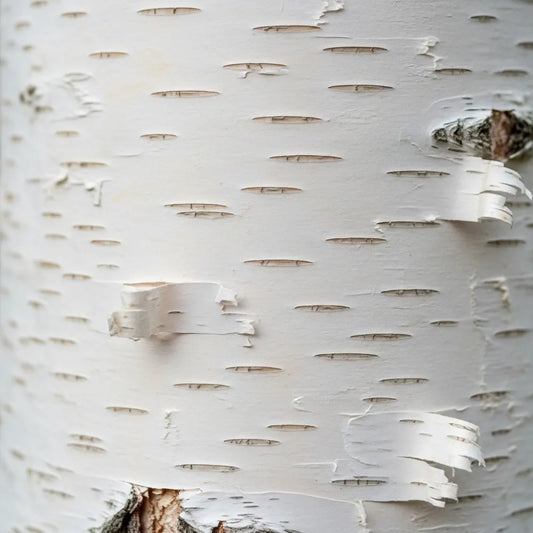
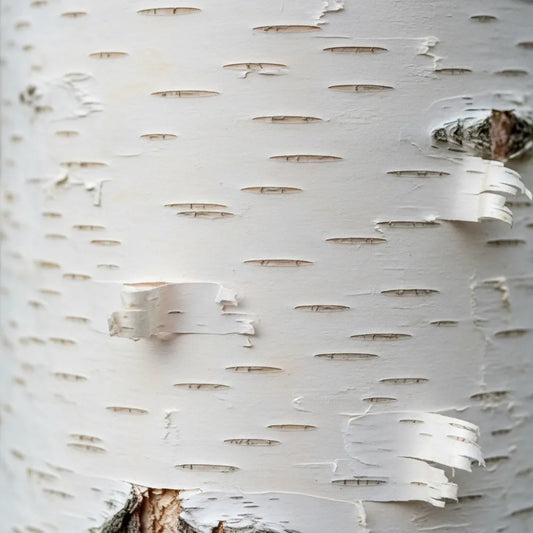
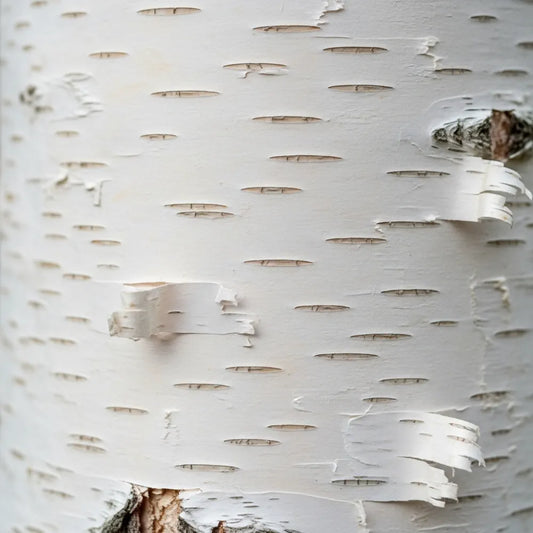
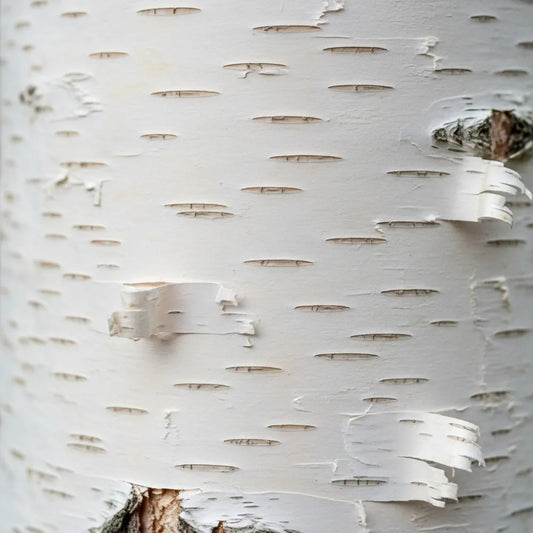
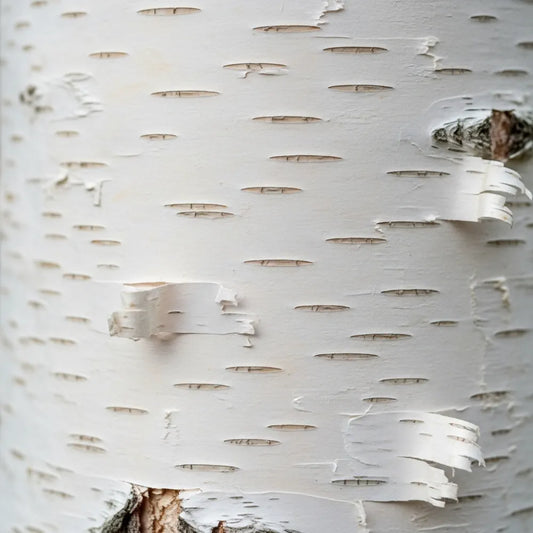
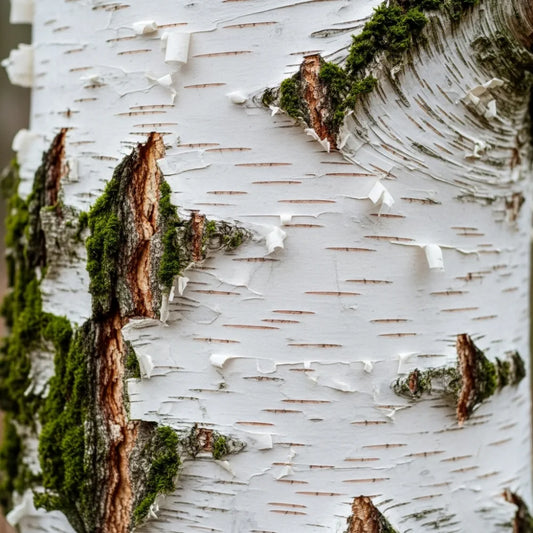
    The peeling bark is a natural process that allows the tree to shed lichen, moss, and accumulated pollutants, helping it to photosynthesise through the trunk. This exfoliation reveals fresh, often brightly coloured bark underneath, which is a characteristic aesthetic feature. It helps keep the lenticels clear for gas exchange essential to the tree's health.

  • What are common diseases affecting birch trees in the UK?

    Birch trees can be susceptible to fungal infections such as birch polypore and honey fungus, which cause rot and structural weakness. They may also suffer from birch dieback or rust, leading to leaf discolouration and premature leaf drop. Regular monitoring of the crown and bark can help identify these issues early.