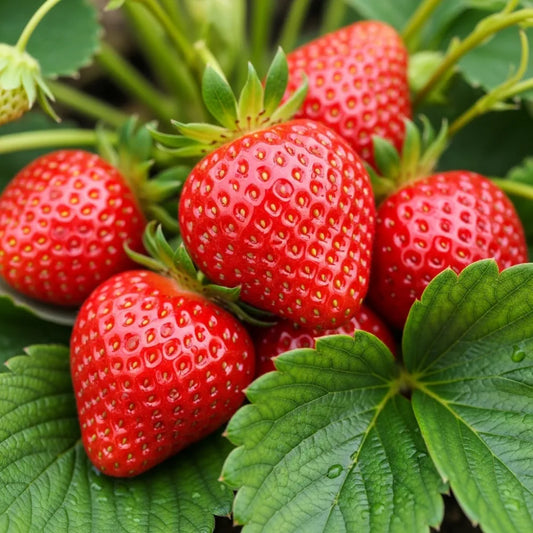
Collection: Soft Fruit

Grow Your Own Fresh Soft Fruit
Read More

Frequently asked questions

  • What is considered soft fruit?

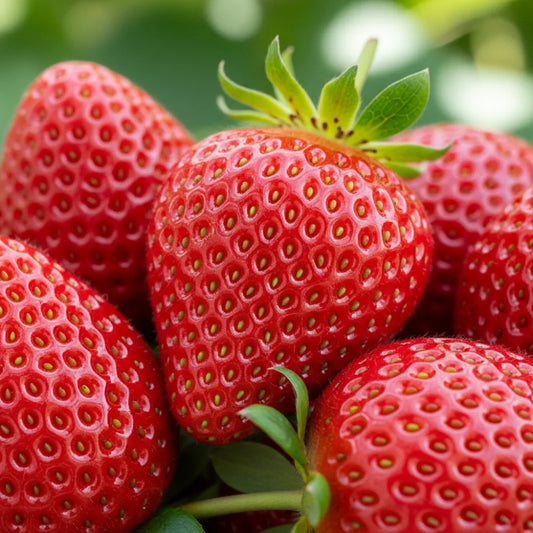
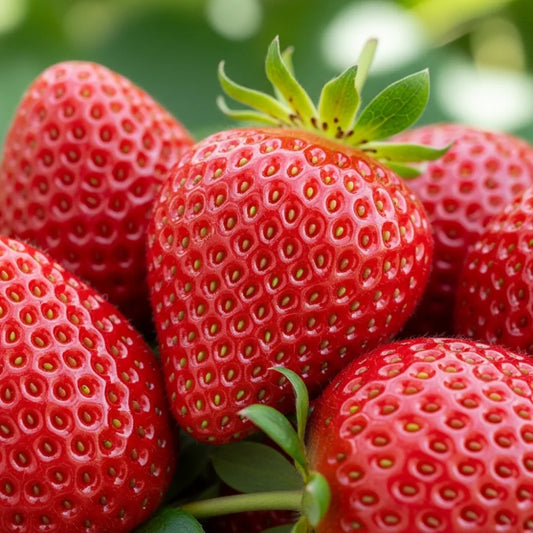
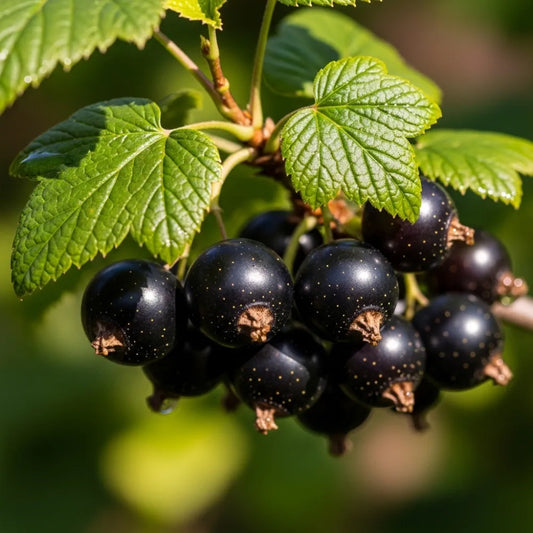
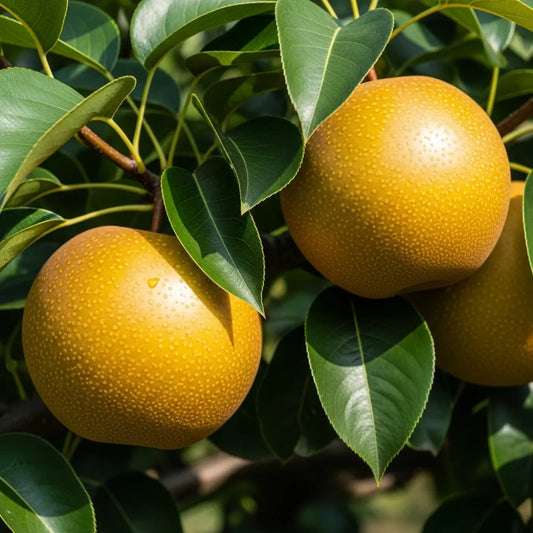
    Soft fruit describes small fruits that grow on bushes, canes, or low plants rather than large trees. Common British examples include strawberries, raspberries, blackcurrants, and gooseberries. They are distinct from stone fruits or hard fruits like apples and pears.
  • Why are some soft fruits grown in polytunnels?

    Polytunnels protect delicate crops from adverse British weather, such as heavy rain or frost. They create a warmer environment that helps ripen fruit earlier and extends the harvest season into autumn. This method ensures a more consistent supply and higher quality produce.
  • What are common culinary uses for soft fruit?

    Soft fruits are versatile ingredients used in jams, jellies, summer puddings, and crumbles. They add natural sweetness and acidity to desserts or can be pureed for sauces and drinks. Tart varieties like gooseberries and blackcurrants are particularly well-suited for cooking.
  • Is soft fruit difficult to grow in a garden?

    Many soft fruit varieties are straightforward to grow and suitable for small spaces or containers. Strawberries and blueberries thrive in pots if given the correct soil type and adequate sunlight. Protecting the ripening fruit from birds using netting is often necessary for a successful harvest.
  • Do I need to wash soft fruit before eating?

    You should always rinse soft fruit gently under cold water immediately before eating or cooking. This removes surface dirt and any potential debris without damaging the delicate skin. Avoid soaking the fruit, as it can become waterlogged and lose its texture.
  • Can I freeze soft fruits for later use?

    Yes, freezing is an excellent way to preserve strawberries, raspberries, and currants. To prevent sticking, freeze the fruit flat on a tray before transferring it to a sealed bag or container. Frozen berries are ideal for use in smoothies, baking, or stewed fruit dishes.
  • How should fresh soft fruit be stored?

    Keep soft fruit in the fridge to maintain freshness, preferably arranged in a single layer to avoid bruising. It is best to leave them unwashed until just before eating, as excess moisture encourages mould. Most berries should be consumed within two to three days of purchase.
  • When is the typical soft fruit season in the UK?

    The primary season generally spans from May to October, with peak production occurring in the summer months. Strawberries usually ripen first in late spring, followed by currants and raspberries. Polytunnels are often used to extend the growing window beyond traditional months.