Collection: Ornamental Trees

Exquisite Ornamental Trees for Gardens and Containers
Read More

Frequently asked questions

  • Do ornamental cherry trees produce edible fruit?

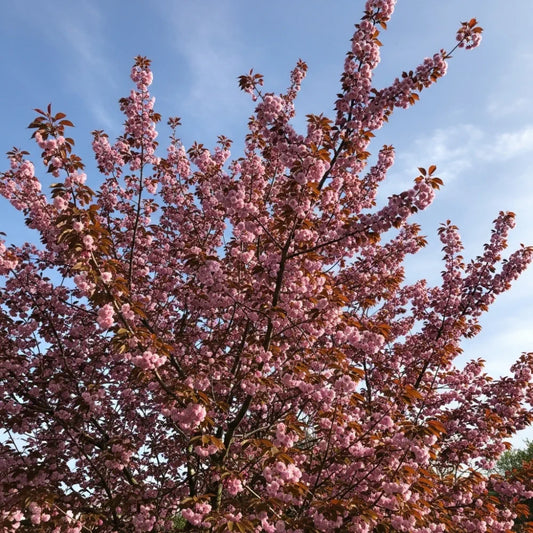
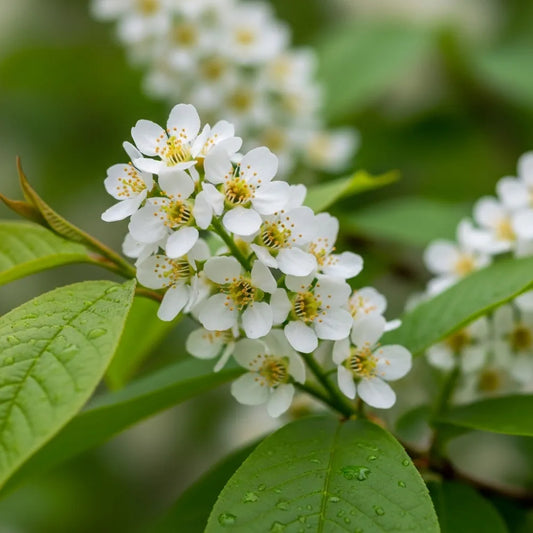
    Most ornamental cherry trees are bred specifically for their flowers and produce small, bitter fruit that is not palatable for humans. While birds may eat these small cherries, they lack the flesh and sweetness of culinary varieties. For edible crops, you must plant a fruiting cherry variety such as 'Morello' or 'Stella'.
  • Can I plant ornamental trees in a shady garden?

    Yes, several species thrive in partial or dappled shade, including Japanese Maples and Dogwoods. While few trees grow well in deep shade, Yew and Holly are tolerant of lower light conditions. It is important to check the specific light requirements for the variety you choose before planting.
  • Which ornamental trees grow well in heavy clay soil?

    Trees such as Birch, Hornbeam, and Alder generally tolerate heavy clay soils well. While clay retains nutrients effectively, it can become waterlogged, so improving drainage with organic matter is beneficial. Avoid Mediterranean species that prefer dry, sandy conditions if you have heavy soil.
  • Which ornamental trees keep their leaves all year round?

    Evergreen ornamental trees such as Holly or Strawberry Trees provide year-round foliage and structure. Conifers and certain varieties of Magnolia, like Magnolia grandiflora, also retain their leaves through winter. These trees are excellent for screening and maintaining privacy in the garden.
  • How often should I prune my ornamental tree?

    Most ornamental trees require pruning once a year to maintain their shape and remove dead or diseased wood. Deciduous trees are best pruned in winter when dormant, while stone fruits like ornamental cherries should be pruned in summer to prevent disease. Always use clean, sharp tools to ensure a clean cut.
  • When is the best time of year to plant ornamental trees?

    The optimal time to plant bare-root trees is during the dormant season, typically between November and March. Container-grown trees can be planted at any time of year, provided the ground is not frozen or waterlogged. Ensure you water them frequently if planting during the warmer summer months.
  • How do I prune an ornamental pear tree?

    Pruning should be carried out in late winter or early spring before new growth begins. Remove any dead, diseased, or crossing branches to maintain an open canopy and improve air circulation. For ornamental varieties like 'Chanticleer', minimal pruning is usually required to maintain its conical shape.
  • When should I prune my ornamental pear tree?

    Pruning is best carried out in late winter or early spring before the new leaves emerge. You should remove any dead, damaged, or crossing branches to maintain a healthy framework and allow air circulation. As these trees naturally hold a neat shape, they typically require minimal maintenance pruning.
  • Does the ornamental pear tree have a strong scent?

    The spring blossoms produce a distinct scent that is often described as pungent or musky rather than sweet. This odour can be unpleasant to some, but it generally disperses quickly in the open air. The smell is usually only noticeable when standing in close proximity to the flowers.
  • Do ornamental pear trees produce edible fruit?

    These trees produce very small, hard fruits that are not suitable for human consumption. While the fruit is inedible for people, it provides a valuable food source for wild birds during late autumn and winter. The fruits are significantly smaller than those found on traditional orchard pear trees.
  • How big do ornamental pear trees grow?

    Most ornamental pear trees reach a height of 10 to 15 metres when fully mature. They typically maintain a narrow, conical shape that widens slightly with age. Popular cultivars like 'Chanticleer' are often chosen for urban gardens due to their upright, manageable habit.