Collection: Hedging Plants

Transform Your Garden with Premium Hedging Plants and Planters
Read More

Frequently asked questions

  • How do I prepare the soil before planting a hedge?

    Dig a trench roughly twice the width of the root system and fork over the bottom to improve drainage. Mix in organic matter, such as well-rotted manure or garden compost, to retain moisture and provide nutrients. Ensure the area is completely free of weeds and large stones before placing your plants.
  • How far apart should I space hedging plants?

    Spacing varies by species, but 3 to 5 plants per metre is standard for a single row. For a thicker barrier, plant a double staggered row with 5 to 7 plants per metre. Check specific guidelines for your chosen plant size to ensure the correct density.
  • What are the best plants to use for a security hedge?

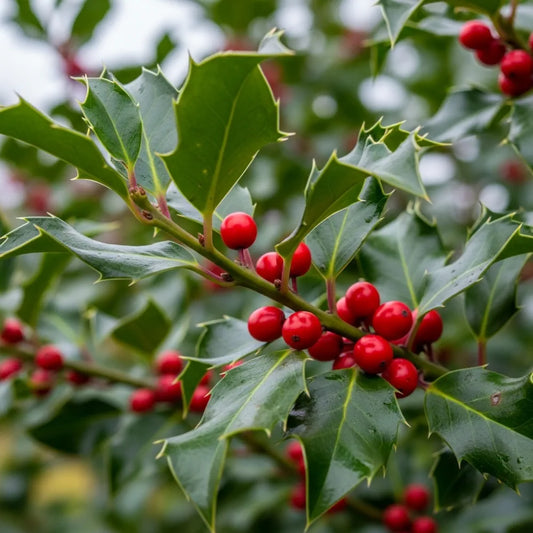
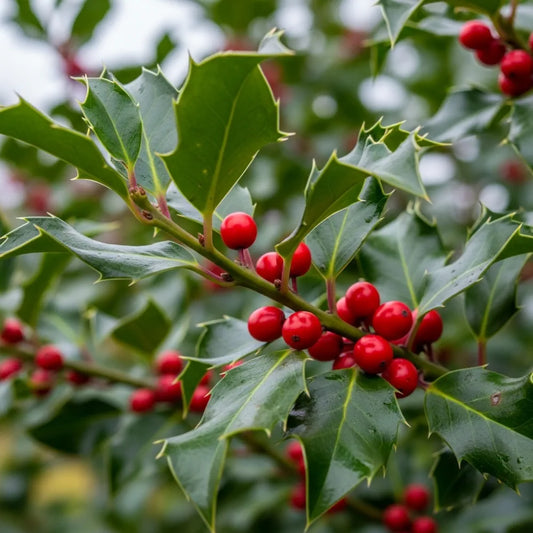
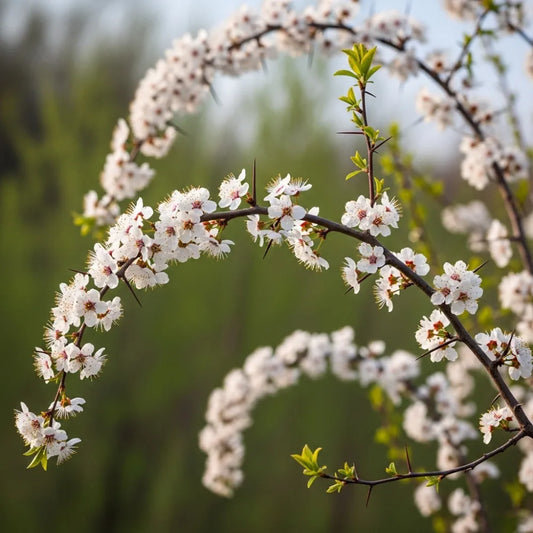
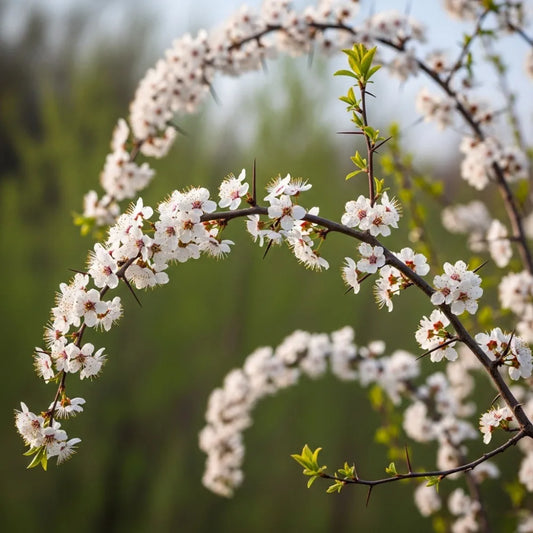
    Thorny species such as Hawthorn, Blackthorn, and Pyracantha are effective for deterring intruders. Holly is another good option due to its prickly leaves and dense growth habit. These plants create a formidable natural barrier that is difficult for people or animals to penetrate.
  • Which hedging plants grow well in shady areas?

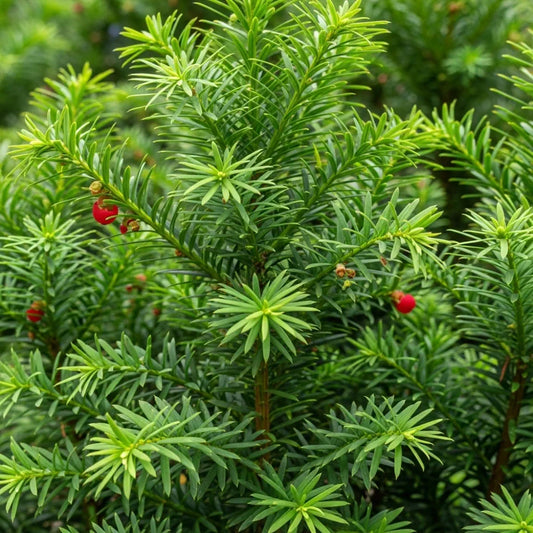
    Yew (Taxus baccata) is an excellent choice for deep shade and tolerates a wide variety of soil conditions. Cherry Laurel and Holly also perform well in areas with low light levels. Avoid plants that require full sun, such as Lavender or Rosemary, when planting in shady corners.
  • How often should I trim my garden hedge?

    Most formal hedges require trimming twice a year, usually in late spring and early autumn, to maintain a neat shape. Fast-growing species like Leylandii may need three cuts, while slow-growing Yew often only needs one trim in summer. Always check for nesting birds before cutting to ensure you do not disturb them.
  • What is the difference between evergreen and deciduous hedging?

    Evergreen hedging retains its foliage throughout the year, offering continuous privacy and wind protection. Deciduous plants lose their leaves in autumn and remain bare during winter before regrowing in spring. Many gardeners choose evergreens for screening, while deciduous species often support more local wildlife.
  • When is the ideal time of year to plant a new hedge?

    The best time to plant bare-root and root-balled hedging is between November and March when plants are dormant. Pot-grown plants can be planted at any time of year, provided the ground is not frozen or waterlogged. Ensure you water them heavily during dry spells if planting in spring or summer.
  • What are the best hedging plants for fast growth in the UK?

    Leylandii is the fastest-growing conifer, often achieving 75cm to 90cm of growth per year. Cherry Laurel is a popular evergreen alternative that grows quickly and provides dense screening. For a native option, Hawthorn grows rapidly and offers seasonal interest with flowers and berries.
  • How and when should I prune a hawthorn hedge?

    For a formal hedge, prune hawthorn twice a year, once in summer and again in autumn, to maintain a neat shape. If grown as a standalone tree, minimal pruning is required, usually just to remove dead or crossing branches in winter. Regular trimming promotes dense growth, which provides excellent cover for nesting birds.