Collection: Fruit Trees

Transform Your Garden with Premium Fruit Trees and Stylish Planters
Read More

Frequently asked questions

  • How often should I water a newly planted fruit tree?

    Newly planted trees require significant water during their first growing season, particularly during dry spells in spring and summer. It is better to give the tree a heavy soaking once a week rather than light daily watering, as this encourages deep root growth. Mulching around the base helps retain moisture and reduces competition from weeds.
  • Can I grow fruit trees in a small garden or container?

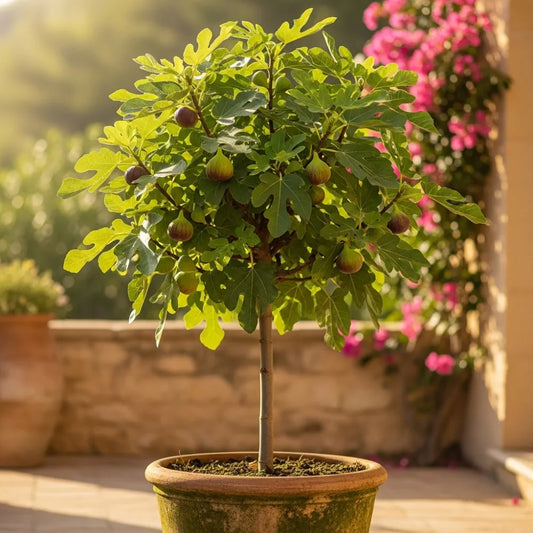
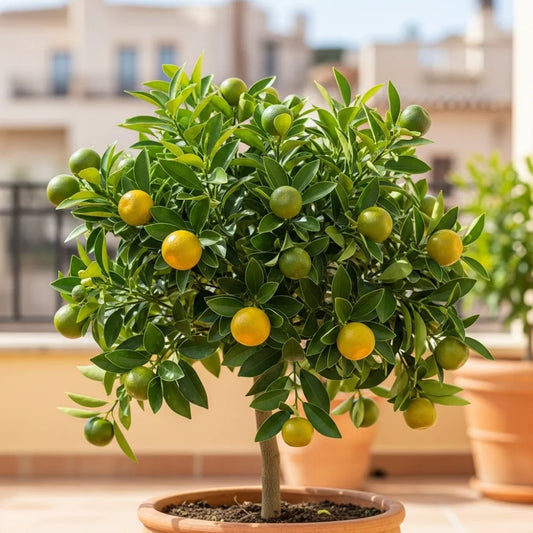
    Yes, many fruit trees are grafted onto dwarfing rootstocks specifically designed for small spaces and large pots. Columnar or patio varieties remain compact and manageable while still producing high-quality fruit. When growing in containers, ensure the pot has excellent drainage and keep the soil consistently moist.
  • Do I need more than one tree to get fruit?

    This depends on the variety, as some fruit trees are self-fertile and can produce crops on their own. However, many apples, pears, and plums require a pollination partner of a different variety that flowers at the same time to set fruit. Even self-fertile trees often produce a heavier crop when a partner tree is nearby.
  • When is the best time to plant fruit trees?

    The ideal time to plant bare-root fruit trees is during the dormant season, which runs from November to March. Container-grown trees can technically be planted year-round, though autumn or early spring is preferred to allow roots to establish. Always avoid planting when the ground is frozen or waterlogged to prevent root damage.
  • How long does it take for a young tree to produce fruit?

    Most fruit trees begin to bear fruit two to three years after planting, depending on their age when purchased and the rootstock vigor. Trees on dwarfing rootstocks often start cropping sooner than those on vigorous rootstocks. It is often recommended to remove blossoms in the first spring to direct energy into root establishment.
  • How do I protect my fruit trees from frost?

    Late spring frosts can damage blossom and reduce the fruit crop, so cover smaller trees with horticultural fleece if frost is forecast during flowering. Planting trees in a sheltered, sunny spot away from frost pockets can also prevent damage. For wall-trained trees, draping hessian over the branches overnight provides effective insulation.
  • What is the best way to feed fruit trees?

    Apply a general-purpose granular fertiliser or well-rotted manure around the base of the tree in late winter or early spring. Ensure the material does not touch the trunk directly, as this can cause rot or burning. A potassium-rich feed applied later in the season can support flower formation and fruit quality.