-
Why is root restriction important for fig trees?
If given unlimited root space, fig trees tend to produce excessive wood and leaves with very little fruit. Creating a root barrier using paving slabs or burying the tree in a perforated pot restricts growth and forces the plant to fruit. This technique is especially important for vigorous varieties planted in open ground.
-
What kind of fertiliser should I use for figs?
Apply a general granular fertiliser in early spring to support the initial flush of growth. Once the fruits begin to swell, switch to a high-potash liquid feed, such as tomato fertiliser, applied every two weeks. Avoid excessive nitrogen, which promotes leaves rather than fruit.
-
How often does a fig tree need watering?
Trees planted in the ground require little water once established, though they benefit from occasional soaking during dry summers. Container-grown figs need regular watering throughout the growing season to prevent the fruit from shedding. Reduce watering in late autumn as the tree enters dormancy.
-
Why are the fruits on my fig tree not ripening?
In the British climate, large figs that develop late in the summer rarely ripen and usually drop off as temperatures fall. Only the small, pea-sized embryo figs that survive the winter will mature into ripe fruit the next summer. Ensure your tree is planted in a sunny, sheltered position to maximise heat exposure.
-
How and when should I prune my fig tree?
Structural pruning should be done in late winter while the tree is dormant to remove dead or crossing branches. In the summer, pinch out the tips of new growth to encourage fruit formation for the following year. Always wear gloves when pruning, as the milky sap can be an irritant to the skin.
-
Do fig trees require protection during winter?
While established trees are generally hardy, young figs and those in containers are vulnerable to harsh frosts. It is advisable to wrap pots with hessian or bubble wrap and cover the branches with horticultural fleece during cold spells. Moving potted plants to a sheltered spot, such as against a south-facing wall, also helps prevent cold damage.
-
Can fig trees be grown successfully in pots?
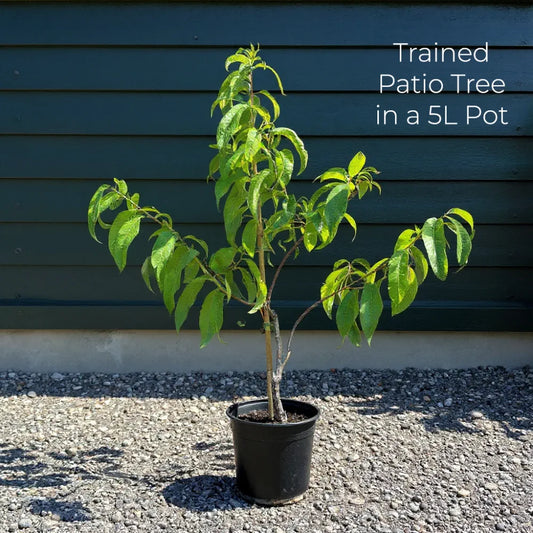
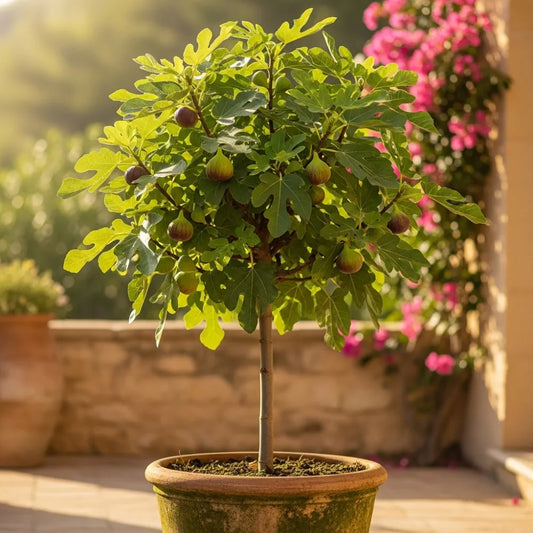
Yes, growing figs in pots is often preferable as restricting the roots encourages fruit production over excessive foliage. Use a sturdy container at least 45cm wide filled with soil-based compost and ensure there is adequate drainage. Potted trees will require more frequent watering and feeding than those planted directly in the garden.
-
When is the best time to plant fig trees in the UK?
The ideal time to plant fig trees in the UK is during the spring, once the risk of severe frost has passed. This allows the roots to establish in warming soil before the onset of winter. Container-grown trees can technically be planted anytime, provided the ground is not frozen or waterlogged.